


The History of Mexican Art: From Pre-Hispanic to Modern Movements
Mexican art holds a significant place in the global cultural landscape, with a history spanning thousands of years. From the intricate designs of the Aztecs and Mayans to the political murals of the 20th century, Mexican art tells the story of its people, their struggles, and their deep-rooted connections to the land.
And as an organization founded in a city, Chicago, that has been built up, supported, and enriched so much by Mexican immigration to our city, it’s important to us to provide insight into the massive contributions Mexican artists have made to the global art landscape.
As such, this article delves into the rich history of Mexican art, exploring key periods, influences, and artistic movements that shaped its evolution.
Pre-Hispanic Art: The Foundations of Mexican Creativity
The history of Mexican art dates back to the Pre-Hispanic era, when civilizations like the Olmecs, Mayans, and Aztecs thrived. Art from this period includes monumental sculptures, ceramics, textiles, and intricate jewelry. These ancient works were deeply tied to religious practices and the natural world, with gods, animals, and celestial bodies frequently depicted in their artwork.
- Olmec Civilization (1500 BCE – 400 BCE): Known for their colossal stone heads, the Olmecs were among the earliest Mexican civilizations to leave a lasting artistic legacy. Their work influenced later cultures, including the Mayans and Aztecs.
- Mayan Civilization (2000 BCE – 1500 CE): The Mayans excelled in sculpture, mural painting, and hieroglyphic writing. Their art is renowned for its complexity and detailed depictions of gods, kings, and historical events.
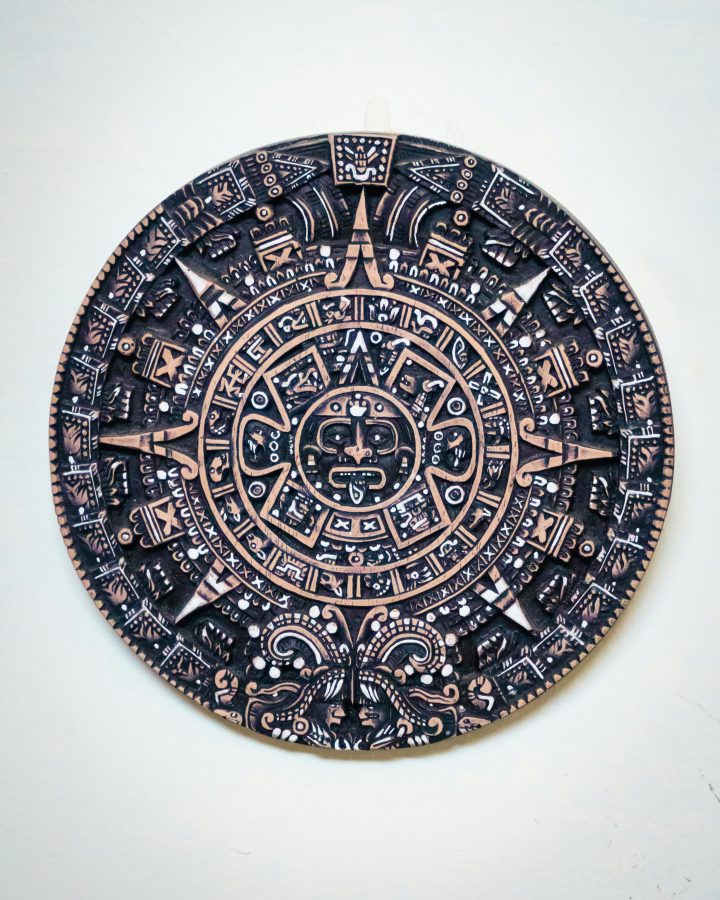
- Aztec Civilization (1300 CE – 1521 CE): Aztec art was centered around their religious beliefs, with many artworks created for temples and rituals. They produced intricate carvings, masks, and codices that documented their empire’s history and mythology.
The Spanish Conquest and the Introduction of European Influences
The Spanish conquest of Mexico in the early 16th century marked a turning point in the country’s artistic history. With the arrival of the Spanish, European styles and techniques were introduced, blending with indigenous traditions to create a unique fusion of art forms.
During the Colonial period (1521-1821), the Catholic Church played a dominant role in Mexican art. Many indigenous artists were trained in European methods, producing religious paintings, sculptures, and architectural works that adorned churches and monasteries. This era saw the rise of the Baroque and Rococo styles, which influenced religious art and architecture.
Mexican Art During the Independence Era (19th Century)
After Mexico gained independence from Spain in 1821, the country experienced a period of political and social upheaval, which was reflected in its art. Romanticism and Neoclassicism, both popular in Europe at the time, became prevalent in Mexican painting and sculpture.
Artists like José María Velasco and Felix Parra played a significant role in shaping the national identity through their landscapes and historical scenes. Velasco’s landscapes, in particular, depicted the vastness and beauty of the Mexican countryside, helping to foster a sense of pride in the country’s natural heritage.
The Mexican Muralism Movement (1920s – 1950s)
One of the most influential movements in Mexican art history is Muralism, which emerged in the aftermath of the Mexican Revolution (1910-1920). The government commissioned large-scale murals to promote social and political messages, focusing on the struggles of the working class, indigenous peoples, and Mexico’s revolutionary spirit.
- Diego Rivera: Perhaps the most famous Mexican muralist, Rivera’s works portrayed Mexico’s indigenous heritage and the struggles of its people. His murals can be found in many public buildings, including the National Palace in Mexico City.
- José Clemente Orozco: Known for his dramatic, often somber, depictions of human suffering, Orozco’s murals conveyed the darker aspects of Mexico’s history and revolution.
- David Alfaro Siqueiros: A committed Marxist, Siqueiros used his art to convey his political beliefs. His dynamic, avant-garde murals often used innovative techniques and materials, pushing the boundaries of traditional muralism.

Mexican Art in the 20th Century: Frida Kahlo and the Rise of Individual Expression
While muralism dominated the early 20th century, individual artists like Frida Kahlo gained international recognition for their unique styles and deeply personal works. Kahlo’s art blended Mexican folk traditions with surrealism, exploring themes of identity, pain, and the female experience. Her work has become iconic, representing both Mexican art and feminist artistic expression worldwide.
In addition to Kahlo (read the IPMM artist feature on Kahlo or our tour of her home & museum), artists like Rufino Tamayo and Leonora Carrington contributed to the diversity of history of Mexican art in the 20th century. Tamayo rejected the overtly political messages of the muralists, instead focusing on abstraction and color. Carrington, a British-born artist who became a key figure in Mexican surrealism, brought an otherworldly, mystical quality to the country’s art scene.

Contemporary Mexican Art: A Blend of Tradition and Innovation
Today, Mexican art continues to thrive, with contemporary artists drawing inspiration from both their cultural heritage and global trends. Artists like Gabriel Orozco, Damián Ortega, and Betsy Casañas push the boundaries of traditional Mexican art, incorporating modern materials, technology, and social commentary into their work.
Contemporary Mexican art often explores themes of identity, migration, and environmentalism, reflecting the country’s ongoing social and political challenges. These artists maintain a connection to the past while looking forward, ensuring that Mexican art remains relevant in the 21st century.
Conclusion
The history of Mexican art is a rich tapestry of indigenous traditions, European influences, revolutionary ideals, and modern innovation. From the ancient civilizations of the Olmecs and Aztecs to the political murals of the 20th century and beyond, Mexican art has consistently reflected the country’s diverse culture and complex history.
Today’s artists continue to honor this legacy while forging new paths, ensuring that Mexican art remains a vital force in the global art world.
For more insights into the history of Mexican art, check out our article on Frida Kahlo’s home and museum!
YOU MIGHT ALSO LIKE...

Korean Dansaekhwa, or the art of monochrome painting, represents a profound and meditative approach to art that emerged in Korea during the...
April 11, 2025
In today's ever-evolving corporate environments, flexibility is key. Companies are increasingly seeking art solutions that adapt to their changing needs, and removable...
April 5, 2025
Corporate giving programs are initiatives where businesses allocate resources, either financial or in-kind, to support charitable causes. These programs play a pivotal...
March 28, 2025
