

Explore Five Unique Global Art Forms and Their Cultural Significance
Art is a universal language and our many global art forms transcend geographical boundaries and cultural differences. While Western fine art dominates many discussions, there are countless unique and underrepresented art forms from around the world that tell fascinating stories and reflect diverse cultural traditions. In this article, we will explore five lesser-known global art forms—Tibetan Thangka painting, Gond art, Oaxacan Alebrijes, Balinese Batik, and Maori wood carving—that offer a rich tapestry of creative expression and cultural significance of global art throughout history.
Tibetan Thangka Painting: Spirituality on Canvas
Tibetan Thangka painting is a traditional Buddhist art form that dates back to the 11th century. These intricate paintings are created on cotton or silk and depict deities, mandalas, and complex geometric patterns. Thangka paintings serve as meditation tools and are often used in religious rituals. They are known for their vivid colors and meticulous detail, with artists spending months or even years to complete a single piece.
Why It Matters:
Thangka paintings are not just artworks they are one of the main ways global art forms also delve into the spiritual realm; they are spiritual tools that convey the teachings and philosophy of Tibetan Buddhism. For students and art enthusiasts, learning about Thangka painting offers an opportunity to delve into the rich spiritual heritage of Tibet and the profound symbolism embedded in every brushstroke.

Gond Art: Indigenous Narratives from Central India
Gond art is a form of tribal art practiced by the indigenous Gond people of central India. It is characterized by the use of vibrant colors, intricate patterns, and motifs inspired by nature and mythology. Traditionally painted on the walls of homes, Gond art has evolved into a popular medium on paper and canvas, gaining international recognition.
Why It Matters:
Gond art is more than just a visual delight; it is a repository of the Gond community’s cultural heritage and oral traditions. Learning about this art form helps students appreciate the connection between art, storytelling, and cultural preservation.
Internal Link:
Interested in indigenous art forms? Check out our article on Native American Art: Celebrating Indigenous Creativity.
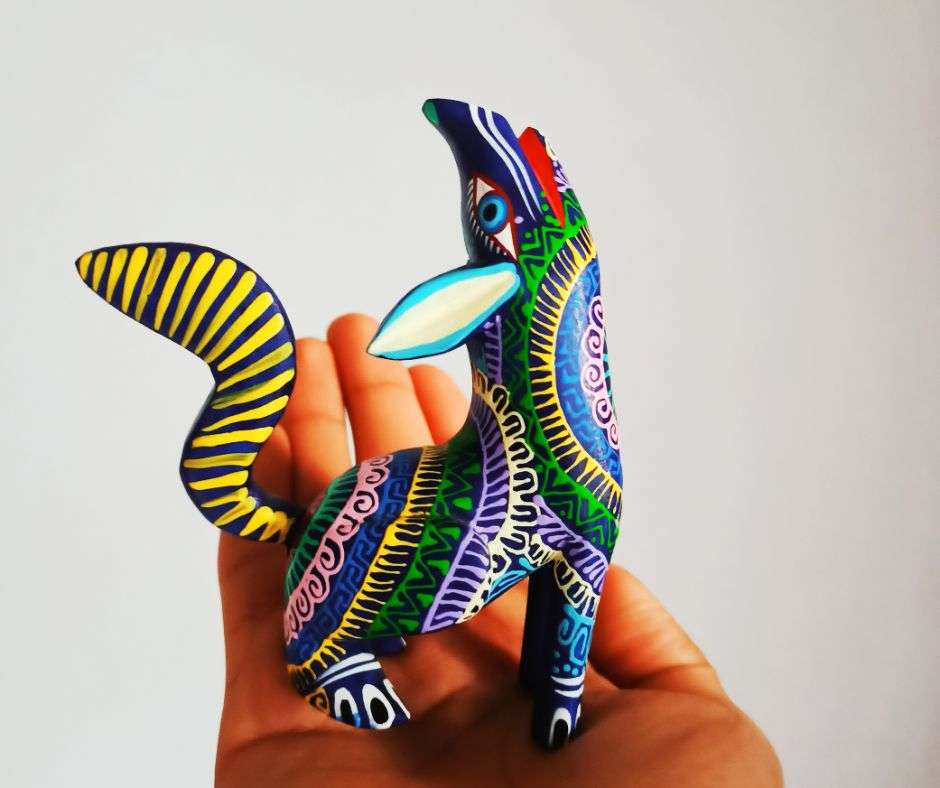
Oaxacan Alebrijes: The Fantastical Creatures of Mexico
Alebrijes are brightly colored Mexican folk art sculptures of fantastical creatures. Originally created by artist Pedro Linares, these sculptures have become a symbol of Mexican folk art, particularly in the state of Oaxaca. Carved from wood and painted with intricate designs, Alebrijes often depict hybrid creatures that combine various animal parts, symbolizing the blending of cultures and the creativity of the human spirit.
Why It Matters:
Alebrijes offer a unique glimpse into the fusion of imagination and tradition in Mexican culture. For students, they represent the limitless possibilities of artistic expression and the role of art in reflecting and shaping cultural identity.
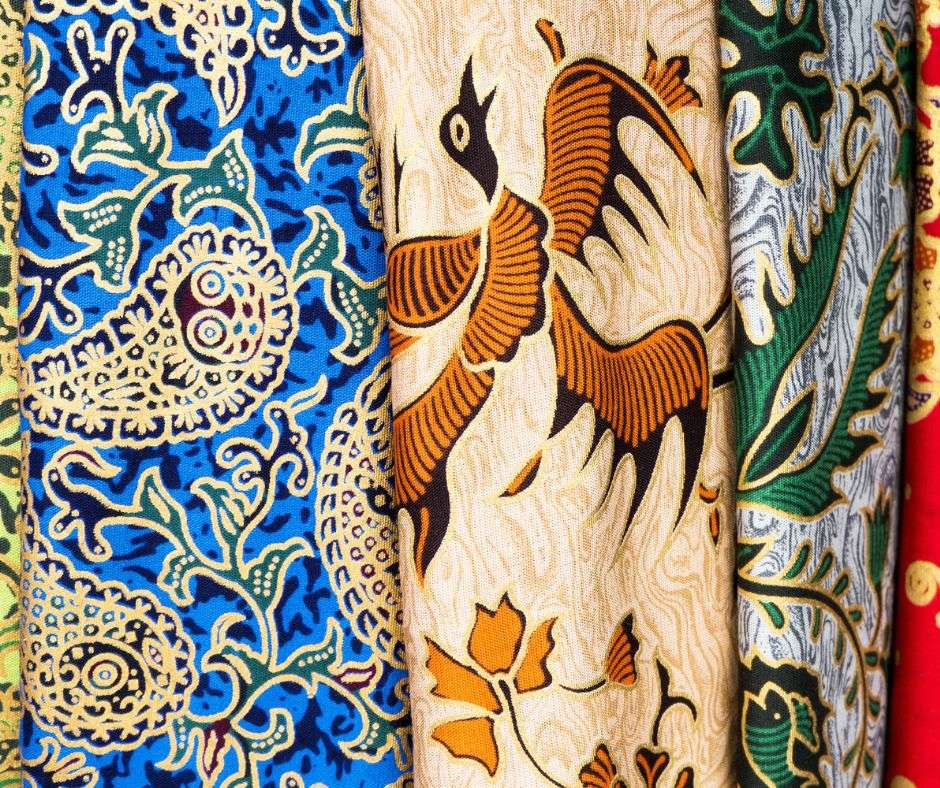
Balinese Batik: The Artistic Textile Tradition of Indonesia
Balinese Batik is an ancient Indonesian textile art that uses a wax-resist dyeing technique to create intricate patterns and designs on fabric. Unlike other batik styles, Balinese Batik often incorporates elements of local mythology and nature, resulting in visually stunning and symbolically rich textiles. The process is labor-intensive, involving multiple stages of waxing, dyeing, and boiling.
Why It Matters:
Batik is more than just a textile; it is a cultural artifact that embodies the history, beliefs, and creativity of the Indonesian people. Understanding this art form offers insights into the complex interplay between art, tradition, and daily life in Bali.
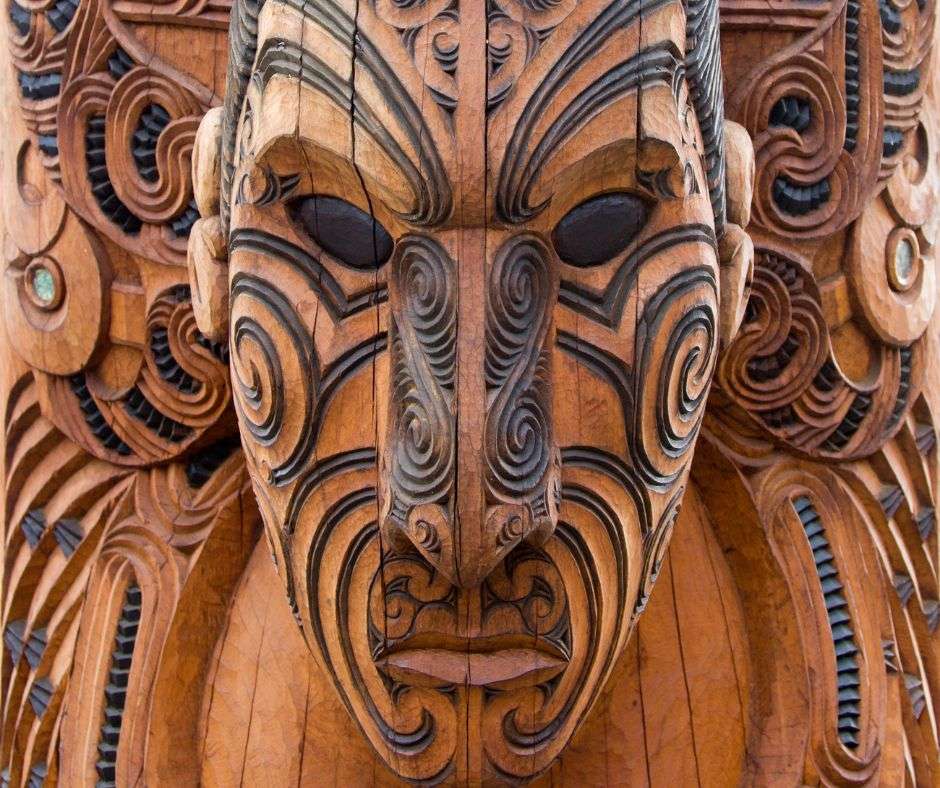
Maori Wood Carving: The Legacy of New Zealand’s Indigenous Art
Maori wood carving, or Whakairo, is a traditional art form practiced by the indigenous Maori people of New Zealand. These carvings, often found on meeting houses (wharenui), canoes (waka), and weapons, are deeply symbolic and serve as a visual language that conveys Maori history, spirituality, and social structure. The motifs and patterns used in Maori carving are unique to each tribe, reflecting their distinct heritage and ancestry.
Why It Matters:
Maori wood carving is a testament to the resilience and creativity of the Maori people. For students, it offers an understanding of how art can serve as a means of cultural preservation and a way to communicate complex social and spiritual beliefs.
External Link:
For a deeper dive into Maori wood carving, visit the Te Papa Tongarewa Museum’s Guide to Maori Art.
Conclusion: Celebrating Diversity in Art
Exploring these five unique global art forms—Tibetan Thangka painting, Gond art, Oaxacan Alebrijes, Balinese Batik, and Maori wood carving—provides a richer understanding of the diverse ways in which human creativity and cultural heritage manifest around the world.
By appreciating and learning about underrepresented art forms, we not only broaden our artistic horizons but also foster a deeper connection to the global community.
Dive into more great cultural arts content on the IPMM Blog.
YOU MIGHT ALSO LIKE...

Korean Dansaekhwa, or the art of monochrome painting, represents a profound and meditative approach to art that emerged in Korea during the...
April 11, 2025
In today's ever-evolving corporate environments, flexibility is key. Companies are increasingly seeking art solutions that adapt to their changing needs, and removable...
April 5, 2025
Corporate giving programs are initiatives where businesses allocate resources, either financial or in-kind, to support charitable causes. These programs play a pivotal...
March 28, 2025
