


Contemporary Art of the African Diaspora: 5 Artists Turning Heads in 2025
The contemporary art scene is ever-evolving, with artists from the African diaspora making significant strides in 2025. These creatives are redefining the boundaries of art, using their work to address cultural, social, and political issues. This article delves into the lives and works of five contemporary African artists who are capturing the world’s attention.
These artists are not only creating visually stunning pieces but are also engaging in dialogues that challenge and inspire. By exploring themes such as identity, migration, and cultural heritage, they are contributing to a broader understanding of the African diaspora art movement.

The Rise of the African Diaspora Art Movement
The African diaspora art movement has gained momentum in recent years, with artists drawing inspiration from their heritage to create powerful works. This movement is characterized by its diversity, with artists exploring themes of identity, migration, and cultural heritage. The art produced is as varied as the artists themselves, encompassing everything from traditional African motifs to modern abstract expressions. Artists within this movement are utilizing various mediums such as painting, sculpture, and digital art to express their unique perspectives.
Visit the IPMM Blog to discover more great arts content.
Spotlight on Emerging Black Artists
In 2025, several emerging black artists are making waves in the art world. These artists are not only showcasing their talents but also challenging preconceived notions about African art. They are redefining what it means to be a contemporary African artist, using their platforms to highlight issues such as racial inequality and cultural preservation. Their work often reflects a deep understanding of their cultural roots while pushing the boundaries of contemporary art.
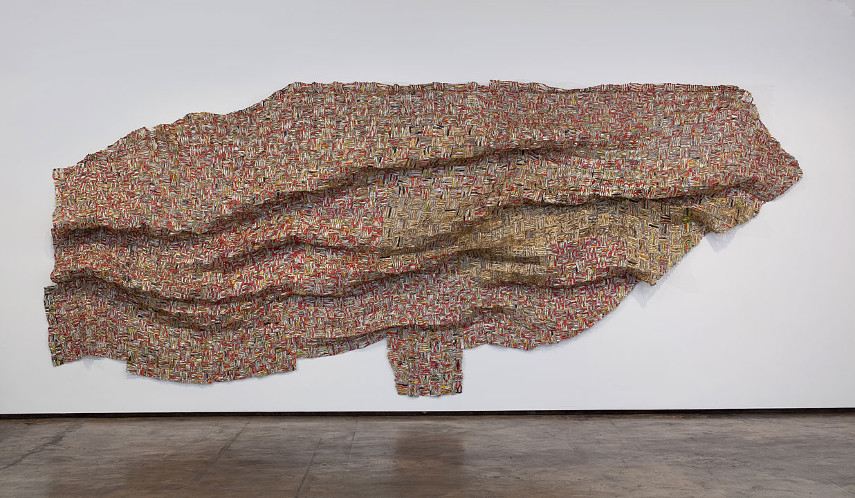
El Anatsui – Anonymous Creature, 2009 – Image via art21.org
El Anatsui
El Anatsui, a Ghanaian sculptor renowned for his transformative use of materials, has become a pivotal figure in contemporary African art. Born in 1944, Anatsui’s work is celebrated for its innovative approach to traditional and found materials, particularly his use of discarded bottle caps and metal fragments. These materials, meticulously woven together to create expansive, shimmering tapestries, reflect themes of consumption, waste, and the transience of human experience. His installations, often monumental in scale, challenge traditional boundaries between sculpture and painting, inviting viewers to engage with art that is both tactile and visually striking. Anatsui’s work has been exhibited in prestigious venues worldwide, including the Venice Biennale and the British Museum, where his pieces continue to captivate audiences with their intricate beauty and profound commentary on global issues.
Through his art, El Anatsui not only elevates everyday materials to the realm of fine art but also encourages a dialogue about the interconnectedness of cultures and the impact of globalization.
Njideka Akunyili Crosby
Njideka Akunyili Crosby is a Nigerian-born artist whose work beautifully intertwines the complexities of cultural identity and personal narrative. Based in Los Angeles, Crosby’s art is renowned for its intricate layering of imagery, combining elements of traditional Nigerian culture with Western influences. Her pieces often depict intimate domestic scenes that reflect her experiences as an immigrant straddling two worlds. By using a variety of techniques, including photo-transfer, painting, and collage, Crosby creates richly textured compositions that invite viewers to explore the intersections of memory, identity, and cultural hybridity. Her acclaimed series, “The Beautyful Ones,” captures the essence of childhood and nostalgia, drawing from personal photographs and popular Nigerian culture.
Crosby’s work has been exhibited in prestigious institutions such as the Whitney Museum of American Art and the Tate Modern, earning her recognition as a significant voice in contemporary African art. Through her art, Njideka Akunyili Crosby not only celebrates her heritage but also challenges viewers to reconsider the narratives of cultural assimilation and identity in a globalized world.
Toyin Ojih Odutola
Toyin Ojih Odutola is a Nigerian-born artist whose work has captivated audiences around the world. Known for her intricate and emotive drawings, Odutola explores themes of identity, race, and the complexity of social hierarchies. Her use of charcoal, pastel, and pencil creates rich textures that bring her portraits to life, often depicting figures in domestic settings that challenge traditional narratives of African identity. Odutola’s series, “A Countervailing Theory,” exhibited at the Barbican in London, delves into an imagined prehistoric civilization in Nigeria, exploring power dynamics and gender roles. Her work not only invites viewers to question preconceived notions but also highlights the diversity and depth of contemporary African art.
Zanele Muholi
Zanele Muholi is a South African artist and visual activist whose photography documents and celebrates the lives of black LGBTQIA+ individuals. Muholi’s powerful portraits are known for their striking black-and-white aesthetic, capturing the dignity and resilience of their subjects. Their ongoing series, “Faces and Phases,” began in 2006 and continues to grow, providing visibility and representation to marginalized communities. Muholi’s work has been exhibited internationally, including at the Tate Modern and the Stedelijk Museum, challenging audiences to confront issues of race, gender, and sexuality. Through their art, Muholi not only documents history but also advocates for social change, making them a pivotal figure in the African diaspora art movement.
Yinka Shonibare
Yinka Shonibare is a British-Nigerian artist renowned for his exploration of colonialism and post-colonialism within the contemporary context of globalization. His work often examines themes of cultural identity, race, and class, employing a distinctive visual language characterized by the use of brightly colored Dutch wax fabric. This fabric, a symbol of African identity, is in fact a product of the global textile trade, which Shonibare uses to highlight the complex interplay between cultures. One of his most notable works, “The Swing (after Fragonard),” reimagines the famous Rococo painting by Jean-Honoré Fragonard with a headless mannequin dressed in Victorian attire made from African fabric. This piece challenges viewers to consider the intersections of history, art, and identity.
Shonibare’s work has been exhibited globally, including at prestigious institutions such as the Tate Modern and the Museum of Modern Art. Through his art, Shonibare invites audiences to reflect on the legacies of colonialism and the ongoing dialogue between Africa and the West, making him a pivotal figure in the contemporary African art scene.
The Role of African Art Collectors and Exhibitions
African art collectors play a crucial role in promoting contemporary African art. By supporting emerging artists and facilitating exhibitions, they help bring these works to a global audience. In 2025, several notable exhibitions are showcasing the talents of African diaspora artists, providing them with platforms to share their stories and perspectives. These exhibitions not only highlight the diversity of African art but also foster cross-cultural exchanges that enrich the global art community. By collaborating with international galleries and institutions, African art collectors are ensuring that these artists receive the recognition they deserve.
Conclusion
The contemporary art of the African diaspora is a dynamic and evolving field, with artists making significant contributions to the global art landscape. As we look to 2025, these creatives continue to push boundaries and redefine what it means to be an African artist. By supporting and celebrating their work, we can ensure that their voices are heard and their stories shared.
The impact of contemporary African art extends beyond aesthetics, offering valuable insights into cultural identity and the human experience. By engaging with this art, we can foster a deeper appreciation for diversity and the power of creativity.
Be sure to check out all of IPaintMyMind’s Arts Education resources.
YOU MIGHT ALSO LIKE...

Korean Dansaekhwa, or the art of monochrome painting, represents a profound and meditative approach to art that emerged in Korea during the...
April 11, 2025
In today's ever-evolving corporate environments, flexibility is key. Companies are increasingly seeking art solutions that adapt to their changing needs, and removable...
April 5, 2025
Color is a fundamental aspect of art that captivates children and opens up a world of creativity and learning. Understanding color mixing...
March 21, 2025
