


Exploring Color: Mixing and Theory for Kids
Color is a fundamental aspect of art that captivates children and opens up a world of creativity and learning. Understanding color mixing and theory can transform how kids perceive and interact with the world around them. This guide delves into the essentials of color mixing, offering engaging activities and insights for young artists. For instance, when children are introduced to the concept of primary colors, they learn that red, blue, and yellow cannot be created by mixing other colors.
This foundational knowledge is crucial as it sets the stage for more complex color mixing activities. Moreover, by engaging in color mixing experiments, children can visually grasp how different hues interact, fostering a deeper appreciation for art and color.
Explore more about art fundamentals for kids.
The Basics of Color Theory for Children
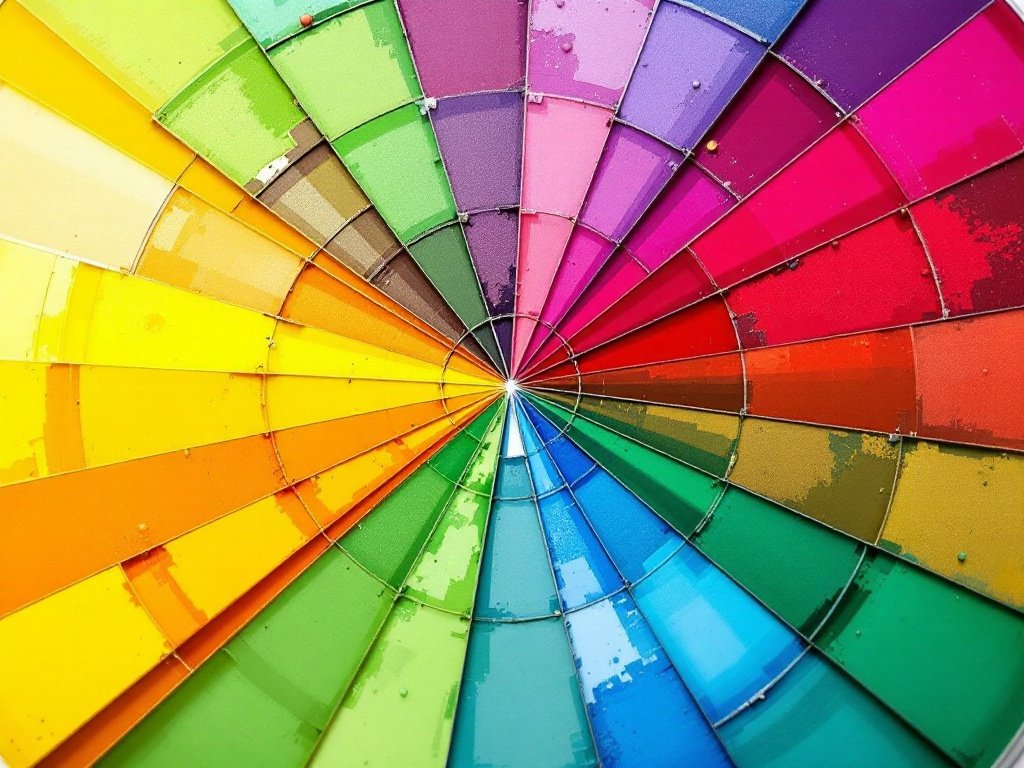
Color theory is the foundation of understanding how colors work together. For children, this can be introduced through the color wheel, which shows the relationships between primary, secondary, and tertiary colors. Primary colors—red, blue, and yellow—are the building blocks of all other colors. When kids learn how these colors mix to create secondary colors, they begin to understand the magic of color transformation. For example, by mixing red and blue, they discover purple, and by combining yellow and blue, they create green.
This hands-on experience not only solidifies their understanding of color theory but also enhances their cognitive development by encouraging critical thinking and problem-solving skills.
Engaging Kids with the Color Wheel
The color wheel is a visual tool that helps children see how colors relate to one another. By experimenting with mixing primary colors, kids can create secondary colors like green, orange, and purple. This hands-on activity not only enhances their understanding of color but also encourages critical thinking and problem-solving skills. For instance, teachers can set up a fun classroom activity where students use watercolors to paint their own color wheels, allowing them to see the gradual transition between colors. This visual representation helps solidify their understanding of color relationships and provides a creative outlet for artistic expression.
Fun Color Mixing Games for Kids
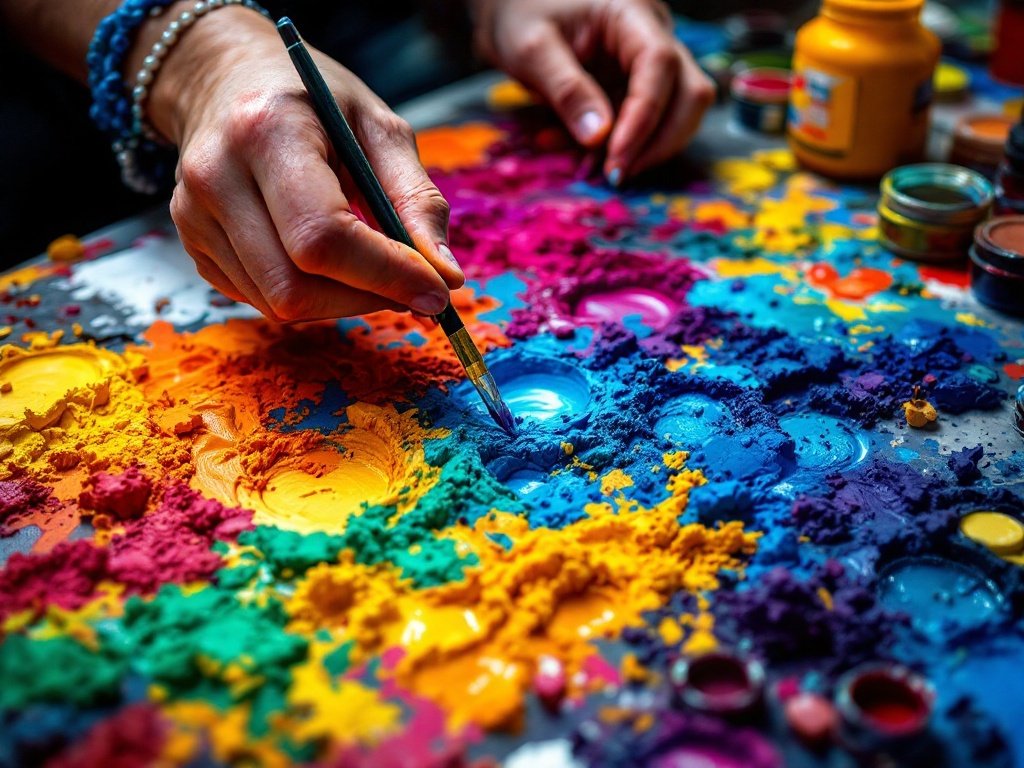
Interactive games make learning about colors an exciting adventure. Simple activities like mixing paints or using colored water can demonstrate how new colors are formed. These experiments can be both educational and entertaining, allowing kids to explore the endless possibilities of color combinations. For example, a popular classroom game involves using colored ice cubes that melt and mix to form new colors, providing a visual and tactile experience that reinforces color theory concepts. By incorporating playful elements into learning, children remain engaged and motivated to explore further.
Learn more about teaching art basics to children.
Creating a Color Wheel with Kids
One engaging activity is creating a color wheel using paints or colored pencils. Children can start by painting or coloring the primary colors and then mix them to fill in the secondary colors. This visual representation reinforces their understanding of color relationships and makes learning tangible. Teachers can enhance this activity by incorporating storytelling, where each color represents a character in a story, helping children associate emotions and narratives with colors. This approach not only educates but also entertains, making the learning experience memorable.
Teaching Colors to Kids Through Art Projects
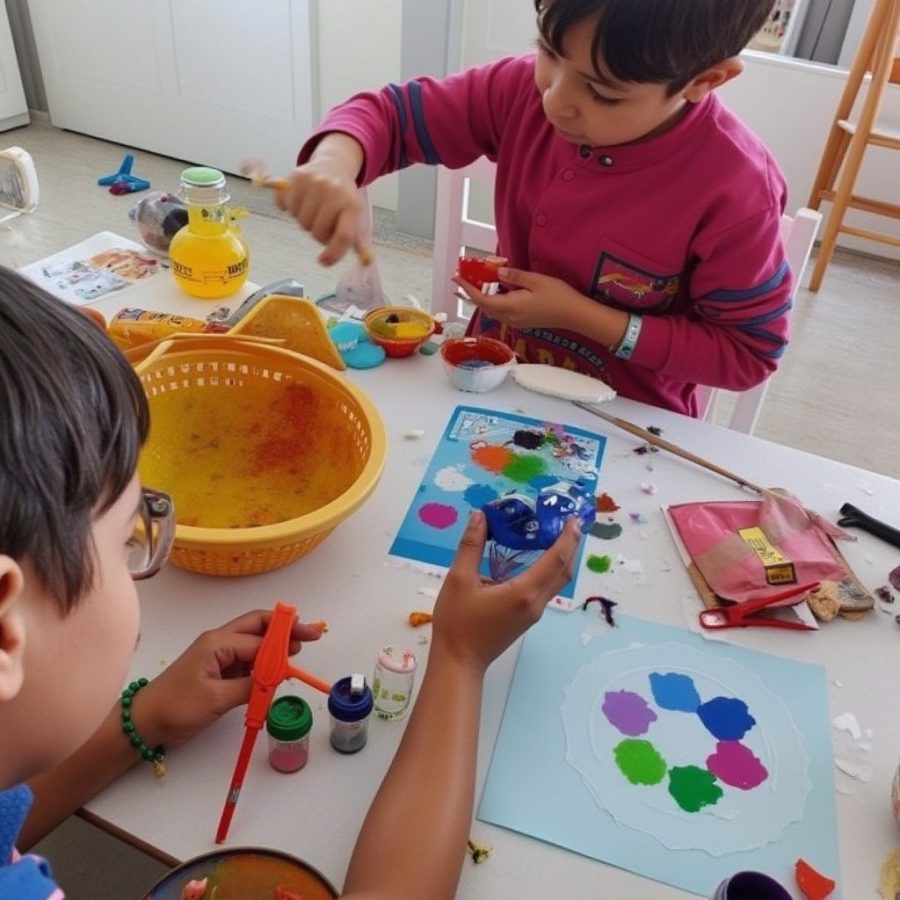
Art projects are a fantastic way to teach children about colors. From simple drawings to complex paintings, these projects allow kids to apply their knowledge of color theory creatively. Encouraging them to experiment with different color combinations fosters their artistic expression and boosts confidence. For instance, a project where children create a “color diary” by documenting colors they encounter in their daily lives can help them develop a keen eye for color nuances. This activity not only enhances their observational skills but also encourages them to appreciate the beauty in everyday objects.
Color Mixing Experiments for Elementary Students
Incorporating color mixing experiments into the classroom can make learning interactive and fun. Activities like mixing colored water or using colored gels can illustrate how colors blend and change. These experiments not only teach scientific principles but also inspire curiosity and exploration. For example, a simple experiment using food coloring and water can demonstrate how colors diffuse and mix, providing a visual representation of color theory concepts. By engaging in these hands-on activities, students can develop a deeper understanding of the science behind color mixing.
Creative Color Activities for Kids
Creativity is at the heart of learning about colors. Activities like making color collages or designing colorful patterns can inspire kids to think outside the box. These projects encourage them to use their imagination and explore the vibrant world of colors in new and exciting ways. For instance, a collaborative class project where students create a large mural using a variety of colors can foster teamwork and creativity. This activity not only teaches color theory but also promotes social skills and collaboration among students.
Incorporating Color Theory into Children’s Art Education
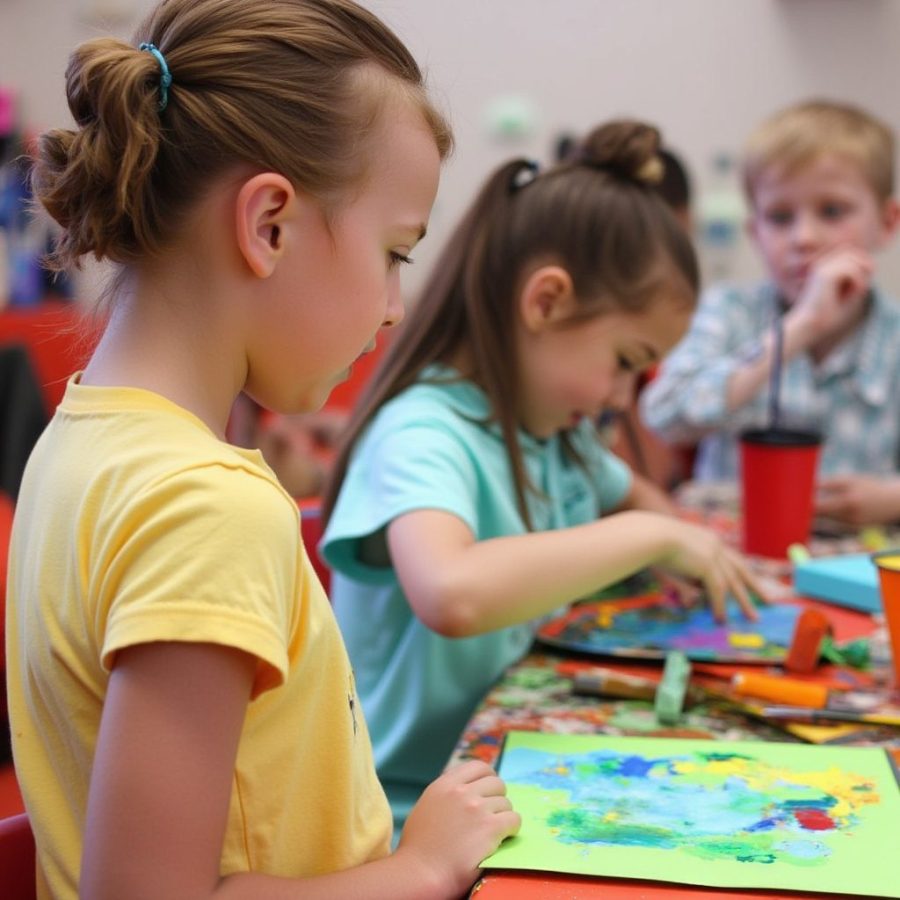
Integrating color theory into art education enriches children’s learning experiences. By understanding how colors interact, kids can create more dynamic and visually appealing artwork. This knowledge empowers them to express their ideas and emotions through color, enhancing their overall artistic development. For example, lessons that focus on the emotional impact of colors can help children understand how to use color to convey mood and atmosphere in their artwork. This deeper understanding of color theory can transform their approach to art and self-expression.
Resources for Teaching Color Theory to Children
There are numerous resources available for teaching color theory to kids. Books, online tutorials, and educational apps can provide valuable insights and activities. Utilizing these resources can make learning about colors accessible and enjoyable for children of all ages. For instance, interactive apps that simulate color mixing can provide a digital platform for experimentation, allowing children to explore color theory concepts at their own pace. These resources offer a wealth of information and inspiration for both teachers and students.
TryColors.com is a great example of an app that is fun to use with students!
Recommended Books and Online Resources
Books like “The Color Monster” and “Mix It Up!” offer engaging stories and activities that introduce children to color concepts. Online platforms like YouTube and educational websites provide interactive lessons and tutorials that can supplement classroom learning. These resources can be invaluable tools for educators looking to enhance their teaching methods and provide students with a comprehensive understanding of color theory. By incorporating these resources into the curriculum, teachers can create a dynamic and engaging learning environment.
Conclusion: The Joy of Color Mixing for Kids
Exploring color mixing and theory is a joyful journey for children. By engaging in hands-on activities and creative projects, kids can develop a deeper appreciation for art and color. This knowledge not only enhances their artistic skills but also enriches their understanding of the world around them. As children experiment with colors, they learn to see the world through a new lens, appreciating the beauty and complexity of the colors that surround them. This exploration of color theory can inspire a lifelong love of art and creativity.
YOU MIGHT ALSO LIKE...

Korean Dansaekhwa, or the art of monochrome painting, represents a profound and meditative approach to art that emerged in Korea during the...
April 11, 2025
In today's ever-evolving corporate environments, flexibility is key. Companies are increasingly seeking art solutions that adapt to their changing needs, and removable...
April 5, 2025Color is a fundamental aspect of art that captivates children and opens up a world of creativity and learning. Understanding color mixing...
March 21, 2025
