

The Corporate Problem: Losing Out on Top Talent to Your Cooler Competition
In the dynamic and ever-shifting corporate landscape, the challenge of losing out on top talent to competitors has emerged as a pressing concern for many organizations. This issue is not merely a fleeting trend but a persistent problem that threatens the very foundation of corporate success and sustainability. As businesses navigate the complexities of a globalized economy, the ability to attract and retain top talent becomes a critical differentiator.
The truth is: employees have more choice, prerogative, and preferences than ever. This can lead to losing our on top performers through business as usual.
This article delves into the multifaceted reasons behind this talent drain, examining the structural, cultural, and economic factors at play. Moreover, it offers actionable solutions tailored to help businesses not only retain their top performers but also foster an environment where innovation and engagement thrive.
The stakes are high, as the loss of top talent can lead to diminished organizational performance, reduced employee morale, and a weakened competitive position. Companies must recognize that the battle for talent is not just about filling positions but about cultivating a workplace and culture that is aligned with the company’s vision and capable of driving long-term success. Understanding the dynamics of this corporate problem is the first step towards crafting strategies that can turn the tide in favor of retaining and nurturing top talent.

Understanding the Talent Drain
The phenomenon of losing top talent has become increasingly pronounced in recent years, driven by a confluence of factors that extend beyond mere financial incentives. Companies are finding it increasingly challenging to retain their best employees, who are often enticed by competitors offering not only more attractive compensation packages but also enriching work environments and expansive growth opportunities. This trend, often referred to as the “talent drain,” is exacerbated by the rise of remote work, which has broadened the horizons for job seekers and increased the competition among employers on a global scale.
To effectively address this issue, it’s crucial for organizations to gain a comprehensive understanding of the root causes of talent drain. These causes often include a lack of career advancement opportunities, inadequate recognition and rewards, and a disconnect between employee values and company culture. Additionally, the growing emphasis on work-life balance and meaningful work has shifted employee expectations, prompting them to seek employers who align with their personal and professional aspirations.
By identifying these underlying factors, companies can develop targeted retention strategies that not only address the immediate concerns of their employees but also foster a culture of engagement and loyalty. This proactive approach is essential for building a resilient workforce capable of navigating the challenges of the modern corporate world.
Read our article on not botching back to office mandates.
The Role of Company Culture
A strong company culture is vital for retaining top talent. Employees are more likely to remain with organizations that align with their values and provide a supportive work environment. Research by Deloitte indicates that businesses with a robust culture are 1.5 times more likely to retain employees, emphasizing the importance of fostering a positive and inclusive workplace. That’s a meaningful bump when it comes to retaining folks who get the job done!

Leadership and Employee Engagement
Effective leadership is a cornerstone in the quest to keep top performers engaged and committed to an organization. Leaders who are approachable, transparent, and supportive not only foster a positive work environment but also build trust and loyalty among their teams. This trust is crucial, as it encourages open communication and collaboration, allowing employees to feel heard and appreciated. According to Gallup, engaged employees are 59% less likely to seek new job opportunities, underscoring the critical role of leadership in employee retention.
Moreover, investing in leadership development programs can equip managers with the skills needed to inspire and motivate their teams. These programs often focus on emotional intelligence, conflict resolution, and effective communication, all of which are vital for creating an inclusive and empowering workplace. By prioritizing employee engagement initiatives, companies can cultivate a culture of continuous feedback and recognition, where employees feel their contributions are valued and aligned with the organization’s goals. This alignment not only boosts morale but also enhances productivity and innovation, ultimately leading to a more resilient and competitive organization.
Strategies to Retain Top Talent
In today’s competitive job market, retaining top talent requires a strategic and multifaceted approach. Companies must adopt proactive strategies that go beyond traditional retention methods, focusing on enhancing the overall employee experience. This involves creating an environment where employees feel connected to the company’s mission and values, and where their personal and professional growth is supported.
The truth is: you can only do that with an office that inspires, engages, and sells for you.
One effective strategy is to implement personalized career development plans that align with individual aspirations and organizational needs. By providing employees with clear pathways for advancement and opportunities to acquire new skills, companies can foster a sense of purpose and belonging.
Additionally, promoting a culture of diversity and inclusion can attract and retain a broader range of talent, as it demonstrates a commitment to equity and respect for all employees. By integrating these strategies into their retention efforts, organizations can not only reduce turnover but also build a loyal and motivated workforce that drives long-term success.

Offering Competitive Compensation and Benefits
Compensation and benefits are fundamental components of any retention strategy, but they must be approached with a nuanced understanding of employee needs and market trends. Competitive compensation packages should be regularly reviewed and adjusted to reflect industry standards and cost-of-living changes. This ensures that employees feel fairly compensated for their contributions and reduces the likelihood of them seeking better offers elsewhere.
Beyond salary, offering a comprehensive benefits package that includes unique perks can significantly enhance employee satisfaction and retention. Flexible work arrangements, such as remote work options and flexible hours, cater to the growing demand for work-life balance. Wellness programs that address physical, mental, and financial well-being can also demonstrate a company’s commitment to its employees’ overall health. Furthermore, providing professional development opportunities, such as tuition reimbursement and access to online learning platforms, empowers employees to grow within the organization. By offering a holistic approach to compensation and benefits, companies can create a compelling value proposition that attracts and retains top talent.
Creating a Dynamic Work Environment
A dynamic and stimulating work environment can be a key differentiator in attracting and retaining top talent. Companies should focus on creating spaces that foster creativity, collaboration, and innovation. This can be achieved through thoughtful office design, incorporating elements such as open spaces, comfortable seating, and access to natural light.

Leveraging Art to Enhance Corporate Culture
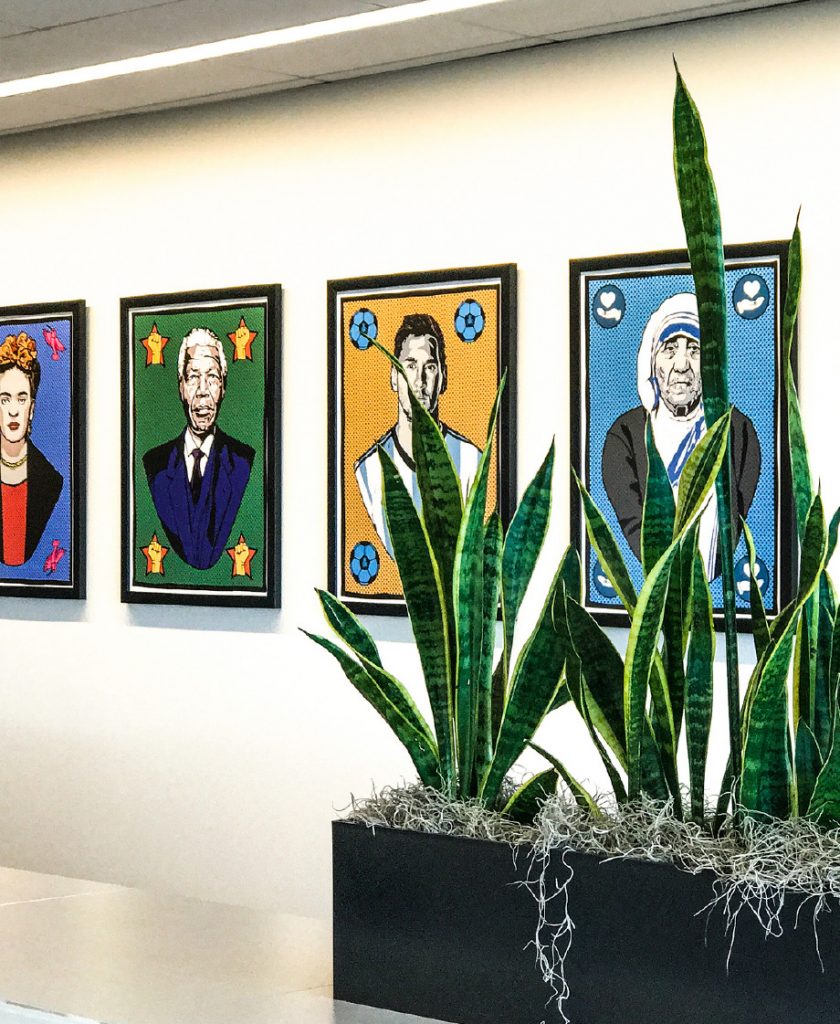
Art can play a transformative role in enhancing corporate culture and making workplaces more attractive to top talent. By integrating art into the work environment, companies can create a unique and inspiring atmosphere that sets them apart from competitors.
Custom Murals and Art Installations
Custom murals and art installations can significantly elevate the aesthetic appeal of a workspace. These art pieces not only beautify the environment but also serve as conversation starters and sources of inspiration for employees. At IPaintMyMind, we specialize in creating bespoke art solutions that reflect a company’s brand and values.
Learn more about our custom mural services and make your office cool, finally!
Art Rentals for a Fresh Perspective
Art rentals offer a flexible and cost-effective way to keep the work environment fresh and engaging. By rotating art pieces regularly, companies can provide employees with a constantly evolving visual experience that stimulates creativity and innovation. Our art rental services at IPaintMyMind are designed to suit the unique needs of each organization, ensuring a perfect fit for any corporate setting.
Conclusion
Losing out on top talent to your competition is a challenge that requires a strategic approach. By focusing on enhancing company culture, improving leadership, and leveraging art to create a dynamic work environment, companies can successfully retain their top performers. Embracing these strategies not only helps in retaining talent but also positions the organization as a leader in the industry.
YOU MIGHT ALSO LIKE...

Korean Dansaekhwa, or the art of monochrome painting, represents a profound and meditative approach to art that emerged in Korea during the...
April 11, 2025
In today's ever-evolving corporate environments, flexibility is key. Companies are increasingly seeking art solutions that adapt to their changing needs, and removable...
April 5, 2025
Color is a fundamental aspect of art that captivates children and opens up a world of creativity and learning. Understanding color mixing...
March 21, 2025
