

Korean Dansaekhwa: The Art of Monochrome Painting
Korean Dansaekhwa, or the art of monochrome painting, represents a profound and meditative approach to art that emerged in Korea during the 1970s. This movement, characterized by its minimalist aesthetics and philosophical depth, has captured the attention of art enthusiasts and scholars worldwide. Dansaekhwa artists sought to transcend traditional artistic boundaries, exploring the interplay between material and process, and inviting viewers to engage in a contemplative experience.
In this article, we delve into the origins, key figures, and lasting impact of the Dansaekhwa movement, while also highlighting IPaintMyMind’s culturally relevant arts education resources that can bring this minimalist elegance into focus for you and your students.

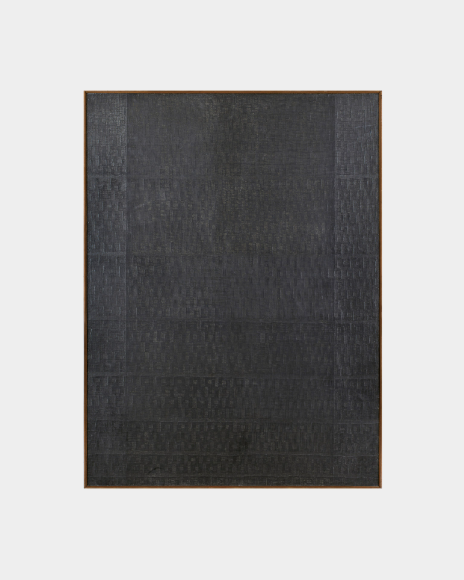
Ecriture No. 890530–2, 1989, Mixed media with Korean Hanji paper on canvas, 300 × 228 × 13.7 cm © Park Seo-Bo, Image Courtesy White Cube under Fair Use
The Origins of Korean Dansaekhwa
The Dansaekhwa movement emerged in Korea during a time of significant social and political change. In the aftermath of the Korean War, artists sought new ways to express their experiences and emotions. Inspired by Western abstract art and Eastern philosophies, Dansaekhwa artists embraced monochrome painting as a means of exploring the essence of existence.
The movement’s name, which translates to “monochrome painting,” reflects its focus on simplicity and purity, stripping away unnecessary elements to reveal the core of artistic expression. This approach resonated with the Korean cultural ethos, emphasizing harmony, balance, and introspection.
Key Figures in the Dansaekhwa Movement
Several prominent artists played pivotal roles in shaping the Dansaekhwa movement. Park Seo-Bo, one of the movement’s founding figures, is renowned for his “Ecriture” series, where he meticulously applied repetitive brushstrokes to create textured surfaces that invite meditation. Lee Ufan, another influential artist, explored the relationship between material and space, using natural elements like stones and metal to create harmonious compositions. Chung Sang-Hwa, known for his labor-intensive process of layering and peeling paint, exemplified the movement’s emphasis on materiality and process. These artists, among others, pushed the boundaries of traditional painting, inviting viewers to engage with their works on a deeper, more introspective level.
The Philosophical Underpinnings of Dansaekhwa
Dansaekhwa is deeply rooted in Eastern philosophies, particularly Taoism and Buddhism, which emphasize the interconnectedness of all things and the pursuit of inner peace. The movement’s minimalist aesthetics reflect the Taoist principle of “wu wei,” or effortless action, where artists allow the materials to guide the creative process. This approach encourages viewers to engage in a meditative experience, contemplating the subtle nuances and textures of the artwork. The repetitive and labor-intensive techniques employed by Dansaekhwa artists mirror the Buddhist practice of mindfulness, where the act of creation becomes a form of meditation, fostering a sense of tranquility and self-awareness.
The Impact of Dansaekhwa on Korean and Global Art
The Dansaekhwa movement has had a profound impact on both Korean and global art. In Korea, it marked a departure from traditional art forms, paving the way for contemporary Korean artists to explore new modes of expression. Internationally, Dansaekhwa has been recognized for its unique blend of Eastern and Western influences, contributing to the global discourse on abstraction and minimalism. Major art institutions, such as the National Museum of Modern and Contemporary Art in Korea and the Guggenheim Museum in New York, have hosted exhibitions showcasing Dansaekhwa works, further cementing the movement’s significance in the art world.
Timeless Dansaekhwa Principles & Integrating Them into Your Teaching
The Dansaekhwa movement, known for its monochrome painting, embodies a set of timeless principles that resonate deeply with both the philosophy and aesthetics of Korean art. Here are some of the core principles that define this unique art form:
- Minimalism and Simplicity: At the heart of Dansaekhwa is the principle of minimalism. Artists strip away extraneous details to focus on the essence of the artwork, using monochrome palettes to convey depth and meaning. This simplicity is not just an aesthetic choice but a philosophical one, reflecting the belief in the power of subtlety and understatement.
- Materiality and Process: Dansaekhwa artists emphasize the relationship between the artist and the materials. The process of creation is as important as the finished piece. Techniques often involve repetitive actions, such as layering and peeling paint, which highlight the tactile qualities of the materials. This focus on process invites viewers to engage with the artwork on a sensory level, appreciating the textures and forms that emerge.
- Meditative Engagement: The movement encourages a meditative interaction with art. The repetitive techniques and monochrome color schemes are designed to evoke a sense of tranquility and introspection. Viewers are invited to slow down and contemplate the subtle variations and rhythms within the artwork, fostering a deeper connection with the piece.
- Philosophical Depth: Rooted in Eastern philosophies, particularly Taoism and Buddhism, Dansaekhwa reflects themes of impermanence, interconnectedness, and harmony. The artworks serve as a medium for exploring these philosophical concepts, encouraging viewers to reflect on the nature of existence and their place within the universe.
- Cultural Synthesis: While deeply connected to Korean culture, Dansaekhwa also incorporates influences from Western abstract art. This synthesis creates a dialogue between Eastern and Western artistic traditions, enriching the movement and broadening its appeal. The cross-cultural exchange inherent in Dansaekhwa highlights the universality of its principles and their relevance across different contexts.
The minimalist elegance and philosophical depth of Dansaekhwa make it an ideal addition to any art curriculum. At IPaintMyMind, we would love to see you teach about the serene beauty of Korean monochrome painting to your students! Giving them different examples of what art actually is is such an eye and heart opening experience. We find that examples of various types of artwork really gets kids’ imagination moving – and they’re imagination is much more intact than ours as adults. You could even adapt these principles to reflect the timeless elegance of Dansaekhwa in your classroom!
Chung Sang Hwa, Untitled 79‒3‒10, 1979, Acrylic on Canvas, 130.5 × 97 cm © The Artist, Image Courtesy Gallery Hyundai under Fair Use
IPaintMyMind’s Cultural Arts Education Content
At IPaintMyMind, we believe in the power of representational and culturally relevant art to engage students and teachers in new ways. As with most of us, seeing folks like ourselves doing things we want to do makes it all possible. Our blog content offers a unique opportunity for teachers looking for great resources to inject culturally diverse content into their lesson plans and classroom.
That’s why we developed our Art Lesson Plan PDFs as well as Not Just Dead White Guys: Printable Coloring Book!
Here are a few other articles to get you on a roll:
8 Artist That Literally Changed The World (To Share With Your Students)
5 Amazing Chicano Murals Across the Southwest
Conclusion
Korean Dansaekhwa represents a unique and transformative approach to art, blending minimalist aesthetics with profound philosophical insights. As the movement continues to inspire artists and art lovers worldwide, its influence can be felt in both contemporary art and modern spaces.
At IPaintMyMind, we’re proud to offer art resources and programs that fuel your teaching, while also supporting our mission to promote arts education and accessibility.
YOU MIGHT ALSO LIKE...
Korean Dansaekhwa, or the art of monochrome painting, represents a profound and meditative approach to art that emerged in Korea during the...
April 11, 2025
In today's ever-evolving corporate environments, flexibility is key. Companies are increasingly seeking art solutions that adapt to their changing needs, and removable...
April 5, 2025
Color is a fundamental aspect of art that captivates children and opens up a world of creativity and learning. Understanding color mixing...
March 21, 2025
