


The Role of Art in Luxury Real Estate in 2025: Creating Exclusive Properties
The integration of art into luxury real estate is not merely a trend but a transformative force reshaping the industry as we move into 2025. Art in luxury real estate enhances property value, creates unique spaces, and attracts discerning buyers. This article explores the evolving role of art in luxury real estate, supported by insights from industry leaders and market research.
The Intersection of Art and Real Estate
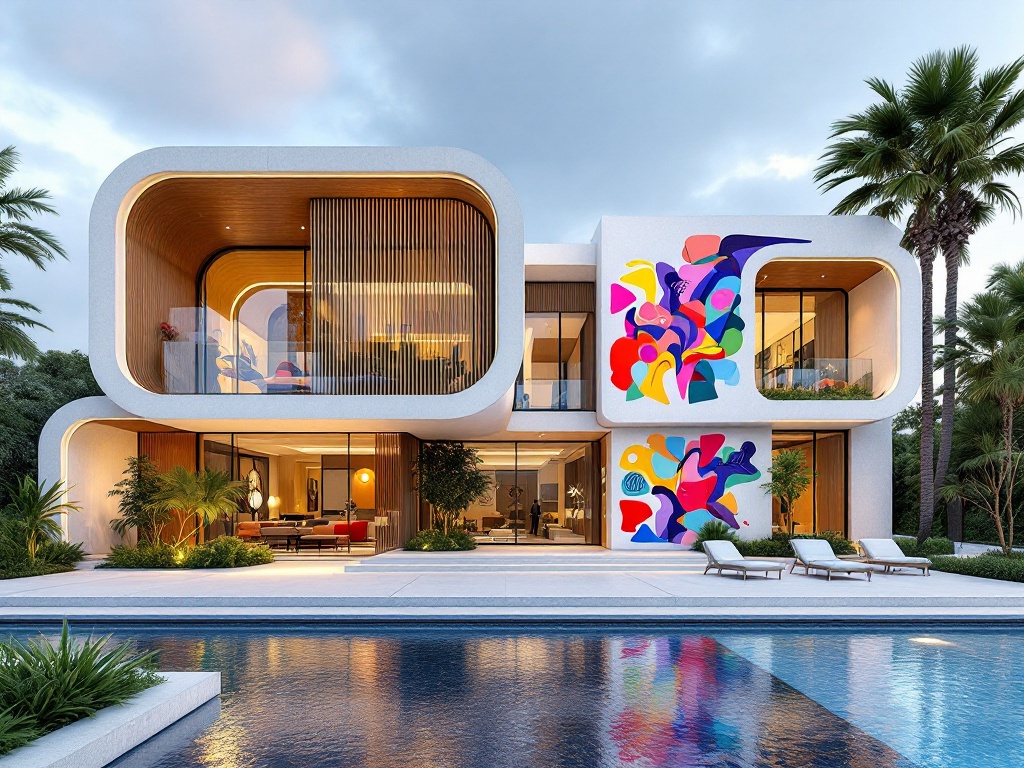
Art and real estate have long been intertwined, but the synergy between the two is gaining unprecedented momentum. In 2025, art is no longer just an aesthetic addition; it is a strategic asset that enhances the exclusivity and appeal of luxury properties. According to Sotheby’s International Realty, homes featuring curated art collections can see an increase in value by up to 20%.
Art as a Value-Enhancing Asset
Art not only beautifies spaces but also serves as an investment that appreciates over time. In luxury real estate, art installations are becoming central to property design, with developers collaborating with artists to create bespoke pieces that resonate with the property’s architecture and environment. A study by Knight Frank highlights that art is now considered a key asset class for high-net-worth individuals, with 80% of wealth managers advising clients to include art in their investment portfolios.
Case Study: Art-Infused Developments
One example of this trend is the Waldorf Astoria Residences in New York, where art is seamlessly integrated into the living spaces. The development features works from renowned artists, enhancing the property’s allure and setting it apart in a competitive market. This approach not only enriches the residents’ experience but also positions the property as a cultural landmark.
The Role of Art in Creating Unique Spaces
Art’s ability to transform spaces is unparalleled. In 2025, luxury real estate developers are leveraging art to create unique, personalized environments that reflect the tastes and personalities of their clientele. This bespoke approach is evident in properties like the One Hyde Park in London, where each residence is curated with art that complements its design and enhances its exclusivity.
Art and Architecture: A Harmonious Blend
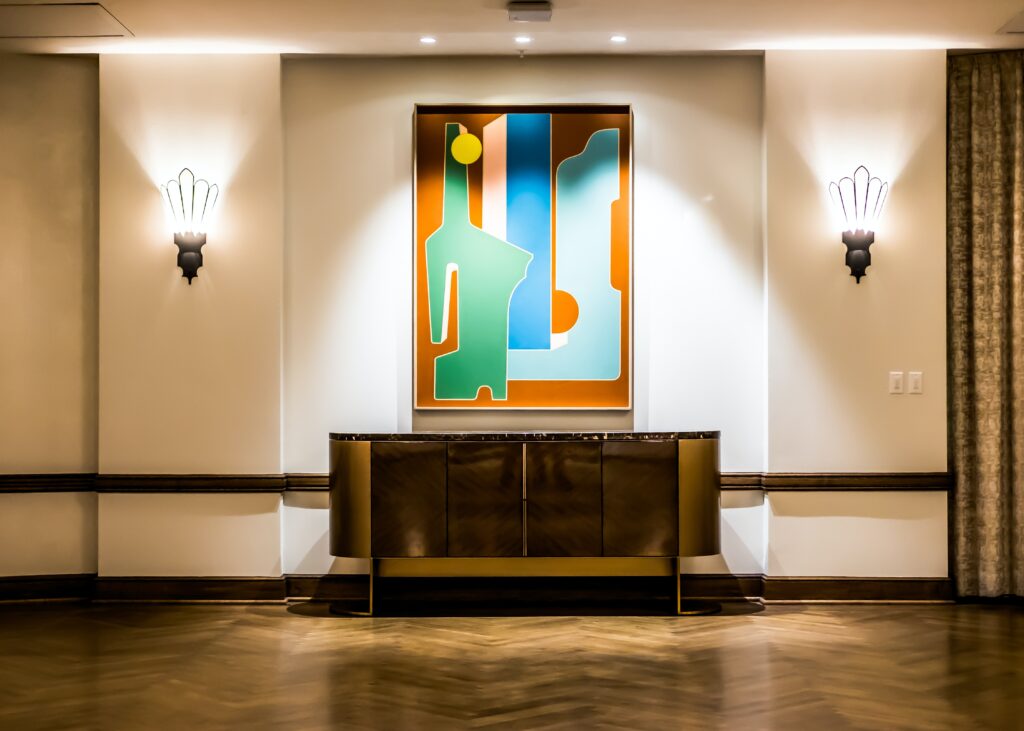
The fusion of art and architecture is a hallmark of luxury real estate, creating spaces where design and aesthetics are seamlessly integrated. In 2025, architects and designers are increasingly collaborating with artists from the initial stages of development, ensuring that art is an integral part of the property’s identity. This harmonious blend is evident in projects like the Guggenheim Helsinki, where art installations are embedded into the building’s fabric, enhancing its architectural narrative. Such collaborations result in spaces that are not only visually stunning but also deeply engaging, offering residents an immersive experience that blurs the lines between living space and art gallery. This integration of art and architecture not only elevates the property’s design but also enhances its cultural value, making it a sought-after asset in the luxury market.
Art as a Marketing Tool in Real Estate
In today’s competitive luxury real estate market, art serves as a compelling marketing tool that can significantly enhance a property’s appeal. By integrating unique art installations, developers can create buzz and differentiate their properties from the competition. Art’s emotional and aesthetic appeal draws potential buyers, creating a memorable first impression that can be pivotal in the decision-making process. For instance, properties that host exclusive art exhibitions or have rotating art galleries can attract art enthusiasts and collectors, turning viewings into cultural experiences. This strategy not only boosts marketability but also positions the property as a cultural landmark, drawing media attention and increasing its prestige.
Learn more about residential art consulting.
Leveraging Art for Brand Differentiation
Art provides a unique opportunity for real estate developers to differentiate their brand in a crowded market. By commissioning exclusive works from emerging and established artists, developers can create a distinctive identity that resonates with affluent buyers. This approach is exemplified by developments like the Ritz-Carlton Residences, which use art as a central theme in their branding and marketing campaigns. By aligning with the art world, these properties attract a sophisticated clientele that values culture and exclusivity. Additionally, partnerships with renowned art institutions or artists can enhance the property’s brand image, associating it with creativity and innovation, which are highly valued in the luxury market.
Art and Sustainability in Real Estate
Sustainability is a growing concern in luxury real estate, and art plays a pivotal role in promoting eco-friendly practices. In 2025, developers are incorporating sustainable art installations that not only beautify spaces but also highlight environmental consciousness. An example is the Eden Project in Cornwall, UK, where art is used to educate and inspire visitors about sustainability.
Art as a Catalyst for Community Engagement
Art installations in luxury real estate can foster a sense of community and engagement. By creating public art spaces within developments, developers encourage interaction and cultural exchange among residents. This approach is exemplified by the High Line in New York, where art installations along the park have become a focal point for community gatherings and events.
Art in Luxury Real Estate Across Key American Markets
The integration of art into luxury real estate varies across different cities, each with its unique cultural landscape and artistic heritage. In Los Angeles, the vibrant art scene influences the design of luxury properties, with developers often incorporating works from local artists to reflect the city’s eclectic spirit. Notable projects like The Century in Century City showcase art installations that enhance the property’s allure and connect with the creative energy of LA.
In Atlanta, the focus is on blending traditional Southern charm with contemporary art. Developments like the Waldorf Astoria Atlanta Buckhead feature curated art collections that celebrate both local and international artists, creating a unique cultural experience for residents.
Miami, known for its Art Deco architecture and vibrant art festivals, seamlessly integrates art into its luxury real estate market. The Faena House, for instance, is renowned for its art-centric design, featuring installations that complement the building’s sleek, modern aesthetic and reflect Miami’s dynamic art scene.
New York remains a leader in the art and real estate synergy, with iconic developments like Hudson Yards and 432 Park Avenue setting the standard for art-infused luxury living. These properties not only house impressive art collections but also host cultural events, making art an integral part of the residents’ lifestyle and enhancing the city’s reputation as a global art hub.
By embracing the local art culture, these cities offer unique luxury real estate experiences that resonate with the tastes and preferences of discerning buyers, further solidifying art’s role in creating exclusive properties.H2: The Future of Art in Luxury Real Estate + Embracing Innovation and Technology
As we look to the future, the role of art in luxury real estate is set to expand further. With advancements in technology, digital art and interactive installations are becoming increasingly popular, offering new possibilities for enhancing property value and appeal. Developers are exploring virtual reality and augmented reality to create immersive art experiences that captivate and engage residents.
The integration of technology in art installations offers exciting opportunities for luxury real estate. Interactive art pieces that respond to movement or sound provide a dynamic experience, transforming static spaces into living environments. This innovation is evident in projects like the Museum of the Future in Dubai, where technology and art converge to create a futuristic living experience.
Conclusion
Art in luxury real estate is a powerful force that enhances property value, creates unique spaces, and attracts discerning buyers. As we move into 2025, the synergy between art and real estate will continue to evolve, offering new opportunities for developers and investors alike. By embracing art as a strategic asset, luxury real estate can create exclusive properties that stand out in a competitive market.
For more insights on integrating art into your real estate projects, explore our resources on art consulting services and corporate art rentals at IPaintMyMind.
Want to discuss how our Art Services can help you create exclusive properties? Send us a message today!
YOU MIGHT ALSO LIKE...

Korean Dansaekhwa, or the art of monochrome painting, represents a profound and meditative approach to art that emerged in Korea during the...
April 11, 2025
In today's ever-evolving corporate environments, flexibility is key. Companies are increasingly seeking art solutions that adapt to their changing needs, and removable...
April 5, 2025
Corporate giving programs are initiatives where businesses allocate resources, either financial or in-kind, to support charitable causes. These programs play a pivotal...
March 28, 2025
