


Art Therapy Lessons: 5 Helpful Techniques to Use with Elementary School Children
Art therapy is a powerful tool for fostering creativity and emotional growth in children. By integrating art therapy lessons into the classroom, educators can provide students with valuable outlets for self-expression and emotional processing. This article explores five effective art therapy techniques that can be easily implemented with elementary school children, helping them develop both creatively and emotionally.
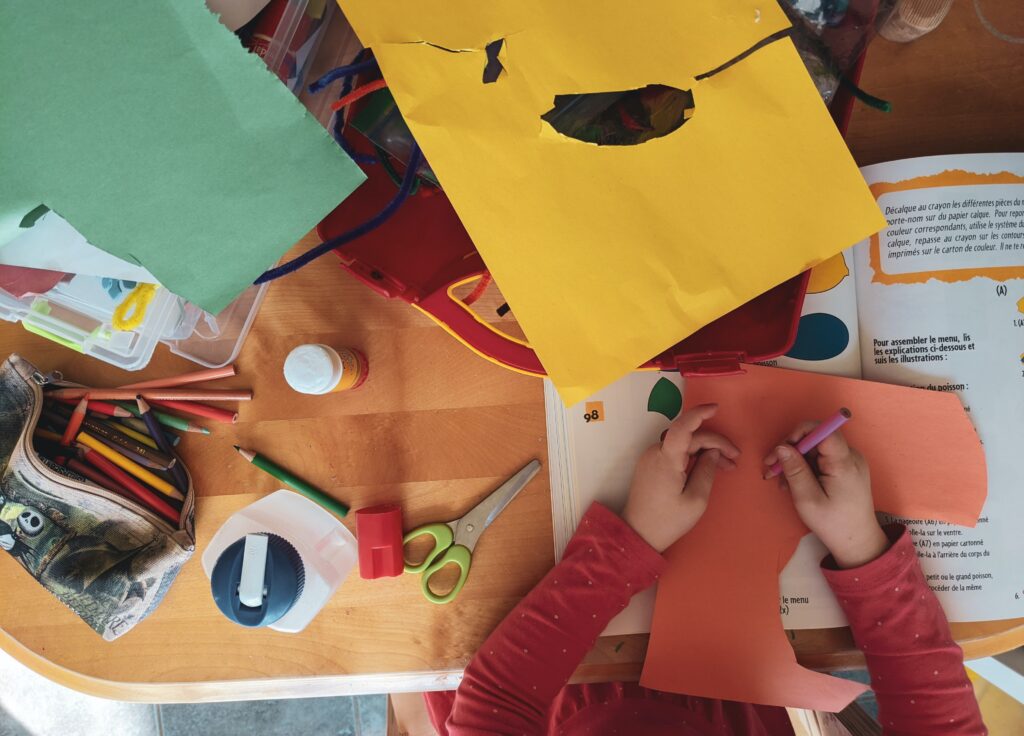
Understanding Art Therapy for Children
Art therapy for children is a specialized form of therapy that leverages the natural creativity of young minds to foster emotional, cognitive, and social development. Unlike traditional talk therapy, art therapy uses the process of creating art as a medium for expression, allowing children to communicate thoughts and feelings that might be difficult to articulate verbally. This can be particularly beneficial for children who are shy, have communication difficulties, or are dealing with trauma.
The therapeutic benefits of art therapy for children are well-documented. According to a study published in the Journal of the American Art Therapy Association, engaging in art-making activities can significantly reduce anxiety and improve mood in children (Malchiodi, 2012). Through art therapy, children can explore their emotions, develop self-awareness, and gain insight into their behaviors and feelings. It also provides a safe space for them to experiment with different solutions to problems, promoting resilience and adaptability.
The embedded reality here is that all art-making is therapeutic!
Art therapy is versatile and can be tailored to meet the unique needs of each child. It can be used to address a wide range of issues, from behavioral challenges and learning disabilities to emotional disturbances and social integration difficulties. By engaging in creative therapy techniques, children can enhance their problem-solving skills, boost their self-esteem, and improve their ability to relate to others.
Moreover, art therapy encourages children to take risks in a safe environment, fostering a sense of accomplishment and mastery. This can be particularly empowering for children who may struggle in other areas of their lives, providing them with a sense of control and achievement. Overall, art therapy lessons offer a holistic approach to child development, integrating emotional healing with creative exploration.
If you’re reading this article you likely believe in the power of art therapy, which is why we’ve provided insight into 5 techniques to use in art therapy lessons.
Technique 1: Mandala Creation
Mandala creation is a calming activity that encourages focus and mindfulness. Children can draw or color mandalas, which are circular designs that represent wholeness and unity. This technique helps children center their thoughts and emotions, fostering a sense of calm and balance.
How to Implement Mandala Creation
- Provide children with pre-drawn mandalas to color, or encourage them to create their own designs.
- Use a variety of coloring materials such as markers, crayons, or colored pencils.
- Discuss the symbolism of mandalas and what their designs might represent.
Reference this article on Mandalas for extra support and a cool classroom project!

Technique 2: Emotion Collages
Emotion collages allow children to explore and express their feelings through visual art. By cutting and pasting images from magazines or drawing their own, children can create collages that represent their emotions. This can be a really great, meditative thing for you students, while reducing the barrier to entry that many students feel particularly when it comes to drawing. This is truly something everyone can do.
Steps to Create Emotion Collages
- Provide magazines, scissors, and glue for children to use.
- Encourage children to select images that resonate with their current feelings.
- Allow them to explain their collages to the class, fostering communication and empathy.
Technique 3: Storytelling with Art
Storytelling with art is a dynamic and engaging technique that combines the narrative power of storytelling with the expressive potential of visual art. This method encourages children to use their imagination and creativity to bring stories to life, enhancing their communication skills and emotional intelligence.
The Power of Storytelling in Art Therapy
When integrated with art, storytelling becomes a powerful therapeutic tool that allows children to externalize their thoughts and emotions in a visual format. In art therapy, storytelling can take many forms. Children might illustrate a story they have read or create an entirely new narrative from their imagination. This flexibility allows children to explore different perspectives and experiment with various storytelling techniques, fostering creativity and critical thinking.
Implementing Storytelling with Art in the Classroom
- Story Illustration: Begin by reading a story to the class and encourage children to draw or paint scenes from the narrative. This exercise helps them visualize and understand the story’s themes and characters, enhancing comprehension and retention.
- Create Original Stories: Encourage children to develop their own stories and illustrate them. This activity not only boosts creativity but also helps children practice organizing their thoughts and expressing them coherently.
- Group Storytelling: Have children work in groups to create a collaborative story and accompanying artwork. This promotes teamwork, communication, and the ability to negotiate and incorporate different ideas.
Benefits of Storytelling with Art
This technique offers numerous benefits. It helps children develop language and literacy skills by encouraging them to think about plot structure, character development, and thematic elements. Additionally, storytelling with art can improve emotional literacy, as children learn to identify and express emotions through their narratives and illustrations.
Furthermore, storytelling with art fosters a sense of empathy and understanding. As children share their stories and listen to others, they gain insight into different perspectives and experiences, promoting social awareness and connection.
Overall, storytelling with art is a versatile and enriching technique in art therapy lessons, providing a creative platform for children to express themselves and explore their world in a supportive and imaginative environment.
Implementing Storytelling with Art
- Read a story to the class and ask children to illustrate a scene.
- Encourage them to create their own stories and accompanying artwork.
- Discuss the stories and artwork as a group, enhancing comprehension and communication skills.

Technique 4: Creative Journaling
Creative journaling is an empowering art therapy technique that combines written expression with visual creativity, offering children a versatile tool for self-exploration and emotional processing. This practice encourages children to document their thoughts, feelings, and experiences in a personal journal, using both words and art to express themselves fully.
The Essence of Creative Journaling
At its core, creative journaling is about creating a personal space where children can freely explore their inner world. This technique allows children to articulate their emotions and experiences without the constraints of formal writing or art. By integrating drawings, doodles, and written reflections, children can capture their thoughts in a way that feels authentic and meaningful to them.
Research suggests that journaling can significantly reduce stress and improve emotional well-being (Pennebaker & Smyth, 2016). For children, creative journaling can enhance self-awareness and emotional regulation, providing a constructive outlet for processing complex feelings and experiences.
Implementing Creative Journaling in Art Therapy
- Provide Diverse Materials: Offer a variety of art supplies such as colored pencils, markers, stickers, and collage materials, along with blank journals. This diversity allows children to choose how they wish to express themselves on any given day.
- Prompted Journaling: Use prompts to inspire reflection and creativity. Prompts can range from simple questions like “What made you happy today?” to more imaginative scenarios like “Draw a picture of your dream world.”
- Free Journaling: Encourage children to journal freely, without specific prompts. This freedom can foster spontaneity and allow children to explore their thoughts and emotions as they arise.
Benefits of Creative Journaling
Creative journaling offers several benefits. It nurtures emotional intelligence by helping children identify and articulate their feelings. Over time, this practice can improve self-esteem and confidence as children see their growth and progress reflected in their journals.
Additionally, creative journaling can enhance cognitive development. As children organize their thoughts and translate them into visual and written forms, they improve their ability to think critically and solve problems creatively.
Moreover, creative journaling provides a safe space for reflection and self-expression, making it a valuable tool for personal growth and healing. It encourages children to take ownership of their narratives, empowering them to construct their identities and understand their place in the world.
In summary, creative journaling is a powerful component of art therapy lessons, offering children a holistic approach to self-expression and emotional development. By integrating this technique into educational settings, educators can support children’s mental health and foster a lifelong love for creativity and self-discovery.
Technique 5: Sculpting Emotions
Sculpting with clay or playdough is a tactile activity that helps children express emotions physically. This hands-on approach can be particularly beneficial for children who struggle with verbal expression.
Steps for Sculpting Emotions
- Provide clay or playdough and tools for sculpting.
- Ask children to create sculptures that represent their emotions or experiences.
- Discuss the sculptures in a group setting, encouraging empathy and understanding.
The Benefits of Art Therapy Lessons
Incorporating art therapy lessons into the classroom offers numerous benefits, including improved emotional regulation, enhanced creativity, and increased self-esteem. Art therapy provides children with a safe space to explore their emotions and develop important life skills.

Resources for Further Exploration
For additional resources and lesson plans, explore our Art Lesson Plans and FREE Coloring Sheets. These materials offer further insights into integrating art therapy into educational settings.
Conclusion
Art therapy lessons are a valuable addition to any elementary school curriculum. By implementing these five techniques, educators can help children develop emotionally and creatively, providing them with tools to navigate their world with confidence and empathy.
External Resource: For more on the benefits of art therapy, visit American Art Therapy Association
YOU MIGHT ALSO LIKE...

Korean Dansaekhwa, or the art of monochrome painting, represents a profound and meditative approach to art that emerged in Korea during the...
April 11, 2025
In today's ever-evolving corporate environments, flexibility is key. Companies are increasingly seeking art solutions that adapt to their changing needs, and removable...
April 5, 2025
Corporate giving programs are initiatives where businesses allocate resources, either financial or in-kind, to support charitable causes. These programs play a pivotal...
March 28, 2025
