


Discover Brazilian Street Art: A Vibrant Cultural Expression
Brazilian street art is a dynamic and colorful reflection of the country’s diverse culture and social narratives. It has become a defining feature of urban landscapes, captivating locals and tourists alike with its vibrant murals and thought-provoking themes. Brazilians have always been tapped into an appreciation of beauty, something we certainly associate with the lifeforce of brazilian art and its vast acceptance globally. When the way you live every day of your life is artful, it would make sense that the actual making of art would be an intense, rewarding, and respected aspect of this culture. This article delves into the world of Brazilian street art, exploring its history, themes, and cultural significance.

The History of Brazilian Street Art
The roots of Brazilian street art can be traced back to the late 20th century, when political upheaval and social change inspired artists to express their views on public walls. Emerging from the favelas, these artists used street art as a form of resistance and communication, addressing issues such as poverty, inequality, and human rights. Street art in brazil was born from a need to be heard, to voice opinions and concerns, and essentially, to participate in a political context that was fraught, divided, and typically seemingly out of reach to the vast majority of brazilians who are working class.
During the 1980s, as Brazil transitioned from a military dictatorship to a democracy, street art flourished as a medium for free expression. Influenced by American graffiti and local cultural elements, Brazilian artists developed a unique style characterized by bold colors and intricate designs, both abstractions and bold figurative pieces that began to build up a sense of what people expected from brazilian artists: an intense perspective, regardless of line and color.
Influential Artists and Movements
Prominent artists like Os Gêmeos, Eduardo Kobra, and Nunca have played pivotal roles in shaping the Brazilian street art scene. Os Gêmeos, twin brothers from São Paulo, are renowned for their whimsical characters and vibrant storytelling. Their work has been showcased in exhibitions across the United States, including at the Institute of Contemporary Art in Boston and the Museum of Contemporary Art in Los Angeles.
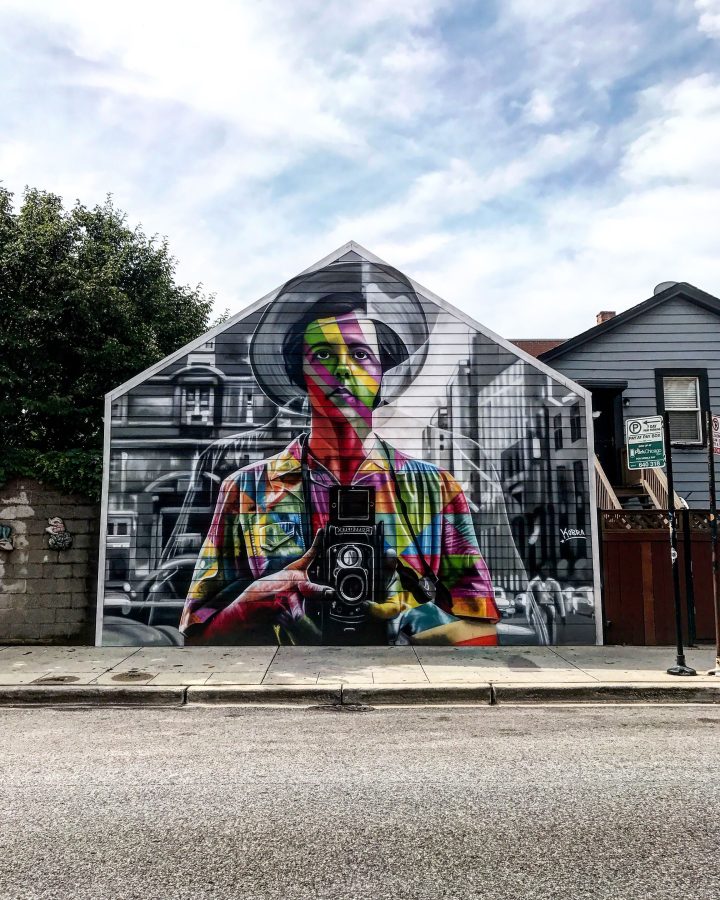
Eduardo Kobra is celebrated for his large-scale murals that often depict historical figures and social themes. His work has graced the walls of cities worldwide, including New York, where his mural of Mount Rushmore on the High Line has become a landmark. Nunca’s work explores indigenous culture and identity, with exhibitions at the Miami Art Basel showcasing his unique style and thematic depth.
Kobra is the perfect artist to use as a reference when picking an artist to study as part of using our Art Lesson Plans!
Themes in Brazilian Street Art
Brazilian street art is as diverse as the country itself, encompassing a wide range of themes and styles. Common motifs include social justice, environmental issues, cultural heritage, and urban life. These themes reflect the artists’ responses to Brazil’s complex social landscape and their desire to provoke thought and dialogue.
Social and Political Commentary
Many Brazilian street artists use their work to comment on social and political issues. Murals addressing topics such as racial inequality, police violence, and environmental degradation are prevalent in cities like São Paulo and Rio de Janeiro. These artworks serve as powerful tools for raising awareness and inspiring change.
Celebrating Brazilian Culture
Brazilian street art also celebrates the country’s rich cultural heritage. Murals depicting samba dancers, Carnival scenes, and indigenous traditions highlight the vibrancy and diversity of Brazilian culture. By showcasing these cultural elements, artists foster a sense of pride and identity within their communities.
The Best Street Art in Brazil
Brazil is home to some of the most awe-inspiring street art in the world. The neighborhoods of Vila Madalena in São Paulo and Santa Teresa in Rio de Janeiro are renowned for their colorful murals and graffiti-covered walls. These areas have become cultural hubs, attracting artists and art enthusiasts from around the globe.
Vila Madalena’s Beco do Batman
Beco do Batman, a narrow alley in Vila Madalena, is a must-visit destination for street art lovers. Named after a Batman mural painted in the 1980s, the alley is adorned with ever-changing artworks by local and international artists. Its vibrant atmosphere and eclectic mix of styles make it a living gallery of contemporary street art.
Rio de Janeiro’s Lapa Neighborhood
Lapa, a historic neighborhood in Rio de Janeiro, is another hotspot for street art. The famous Selarón Steps, covered in colorful tiles from around the world, exemplify the area’s artistic spirit. Lapa’s streets are lined with murals that capture the essence of Rio’s lively culture and social dynamics.
View tons of photos of Rio’s Lapa Neighborhood via Getty Images
Brazilian Street Art in the USA
Over the past two decades, Brazilian street art has gained international acclaim, with numerous exhibitions in the United States showcasing its vibrant creativity. In 2008, the Museum of Contemporary Art in Los Angeles hosted “Art in the Streets,” featuring works by Os Gêmeos and other Brazilian artists. Their unique blend of Brazilian folklore and urban culture captivated American audiences, highlighting the global appeal of Brazilian street art.
In 2013, the Wynwood Walls in Miami, an outdoor museum of international street art, featured works by Eduardo Kobra and Nunca. These exhibitions have not only introduced Brazilian street art to new audiences but have also fostered cultural exchange and dialogue between artists across the Americas.
The Impact of Brazilian Street Art
Brazilian street art has a profound impact on both local communities and the broader cultural landscape. It serves as a platform for marginalized voices, offering a space for dialogue and reflection. By transforming urban spaces into canvases, street art fosters a sense of community and belonging.
Economic and Cultural Contributions
Street art has also contributed to Brazil’s economy by attracting tourism and supporting local businesses. Art tours and workshops have become popular activities for visitors, providing economic opportunities for artists and cultural entrepreneurs. Additionally, Brazilian street art has gained international recognition, influencing global art trends and contributing to Brazil’s cultural export.
This video (below) is an incredible look inside the Sao Paulo street art scene in 2008, a perfect spot in the timeline of street artists from Brazil beginning to truly gain the recognition they deserve.
Conclusion: The Future of Brazilian Street Art
As Brazilian street art continues to evolve, it remains a vital form of cultural expression and social commentary. Artists are increasingly exploring new mediums and technologies, pushing the boundaries of traditional street art. With its rich history and diverse themes, Brazilian street art will undoubtedly continue to captivate audiences and inspire change for years to come.
For more insights into art and culture, check out our pages on Art Consulting and Arts Education Resources.
YOU MIGHT ALSO LIKE...

Korean Dansaekhwa, or the art of monochrome painting, represents a profound and meditative approach to art that emerged in Korea during the...
April 11, 2025
In today's ever-evolving corporate environments, flexibility is key. Companies are increasingly seeking art solutions that adapt to their changing needs, and removable...
April 5, 2025
Corporate giving programs are initiatives where businesses allocate resources, either financial or in-kind, to support charitable causes. These programs play a pivotal...
March 28, 2025
