


How to Create Your First Art Lesson Plan as a New Teacher
Starting your career as an art teacher is an exciting journey filled with opportunities to inspire creativity and foster artistic skills. Crafting your first art lesson plan is a crucial step in this journey. This article will walk you through the process of designing an accessible, standards-aligned lesson plan that doesn’t require extensive supplies, thinking about integrating outside resources, and focusing on art education for new teachers as you put together your first lesson plan.
Understanding the National Core Arts Standards
Before diving into lesson planning, familiarize yourself with the National Core Arts Standards (NCAS). These standards provide a framework for arts education that emphasizes creating, performing, responding, and connecting. Aligning your lessons with these standards ensures that your teaching is rooted in activities that truly support student learning.
Breaking Down the Standards
- Creating: Encouraging students to generate and conceptualize artistic ideas.
- Performing/Presenting: Guiding students in realizing and presenting their artistic work.
- Responding: Helping students understand and evaluate how the arts convey meaning.
- Connecting: Relating artistic ideas and work to personal and external contexts.
Review how IPaintMyMind’s art lesson plans satisfy National Core Arts Standards.
Setting Clear, Standards-Aligned Objectives
Start by defining what you want your students to achieve, ensuring your objectives align with NCAS. For example, if focusing on the “Creating” standard, your objective might be: “Students will explore and develop personal ideas through sketching.”
Tips for Integrating Outside Materials into Your Art Lesson Plans
Leverage Online Art Galleries and Museums
- Virtual Tours: Utilize virtual tours from renowned museums like The Art Institute of Chicago or The Metropolitan Museum of Art. These tours can provide students with exposure to a wide range of artworks and styles without leaving the classroom.
- Artwork Analysis: Select specific pieces from online galleries for students to analyze. Discuss the artist’s techniques, the historical context, and the emotions conveyed through the artwork.
Incorporate Multimedia Resources
- Videos and Documentaries: Use educational videos or documentaries about artists, art movements, or specific techniques. Platforms like YouTube and Khan Academy offer a wealth of resources tailored for educational purposes.
Be sure to view the IPaintMyMind Artist Process Video Series! - Interactive Apps: Integrate apps that allow students to experiment with digital art. Apps like Procreate or Adobe Fresco can introduce students to digital art-making processes.
Collaborate with Local Artists
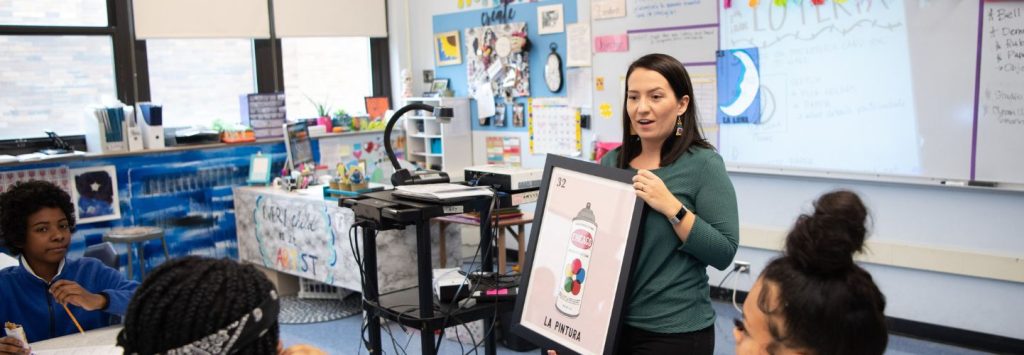
- Guest Speakers: Invite local artists to speak to your class, either in person or via video call. They can share their experiences, demonstrate techniques, and inspire students with their creative journeys.
- Workshops: Organize hands-on workshops where students can learn directly from practicing artists. This can provide a unique, real-world perspective on the art-making process.
Use Everyday Objects as Art Supplies
- Found Objects: Encourage students to create art using found objects from their environment. This not only fosters creativity but also teaches resourcefulness and sustainability.
- Recycled Materials: Incorporate recycled materials into art projects. This can lead to innovative creations and discussions about environmental awareness.
Explore Cultural Art Forms
- Cultural Art Projects: Design projects that explore art forms from different cultures, such as Japanese origami, African mask-making, or Aboriginal dot painting. This can broaden students’ understanding and appreciation of global art traditions.
- Cultural Exchange: Partner with a school from another country for a cultural exchange project. Students can share their art and learn about different cultural perspectives.
Integrating outside materials not only enriches your lesson plans but also keeps students engaged and inspired. By exploring diverse resources, you can create a dynamic and inclusive art education experience that resonates with students and encourages lifelong creativity.
Designing an Accessible Art Lesson Plan
Crafting a lesson plan that is both engaging and resource-friendly can be a challenge.
Here’s a step-by-step guide:
Introduction
Introduce the lesson by discussing the central theme or concept. For instance, you might explore the concept of “identity” through self-portraits. Use visuals from artists like Frida Kahlo or Vincent van Gogh to illustrate different approaches to self-portraiture.
Demonstration
Demonstrate a simple technique that students can use with basic supplies. For example, show how to create texture using pencils or how to mix colors with crayons. This keeps the lesson accessible and minimizes the need for extensive materials.
Guided Practice
Allow students to practice the technique with your guidance. Walk around the classroom, offering tips and encouragement. This hands-on practice helps students gain confidence in their skills.

Independent Work
Encourage students to create their artwork based on the lesson’s theme. Remind them to focus on the process rather than the final product, fostering a growth mindset.
Reflection and Discussion
Conclude the lesson with a reflection session. Ask students to share their work and discuss the choices they made. This encourages critical thinking and helps students articulate their creative process.
Tips for New Art Teachers
Navigating your first year as an art teacher can be challenging. Here are some tips to help you succeed:
Stay Organized
Keep your lesson plans, materials, and classroom supplies organized. This will save time and reduce stress during lessons.
Be Flexible
While planning is important, be prepared to adapt your lesson if needed. Flexibility allows you to respond to students’ needs and interests.
Encourage Creativity
Foster a classroom environment that encourages creativity and experimentation. Allow students to take risks and explore new ideas without fear of failure.
Seek Feedback
Ask for feedback from colleagues and students. Constructive criticism can provide valuable insights and help you improve your teaching methods.

Resources for Art Education
Utilize the resources available to you as a new teacher. Websites like Edutopia offer valuable insights and tips for educators. Additionally, explore IPaintMyMind’s resources, such as our free art lesson plans and screen printing workshops.
Conclusion
Creating your first art lesson plan is a significant milestone in your teaching career. By aligning your objectives with the National Core Arts Standards and focusing on accessible, resource-friendly activities, you can inspire and engage your students.
Remember, art education for new teachers is an ongoing journey of learning and growth. Embrace the challenges and enjoy the rewarding experience of nurturing young artists!
YOU MIGHT ALSO LIKE...

Korean Dansaekhwa, or the art of monochrome painting, represents a profound and meditative approach to art that emerged in Korea during the...
April 11, 2025
In today's ever-evolving corporate environments, flexibility is key. Companies are increasingly seeking art solutions that adapt to their changing needs, and removable...
April 5, 2025
Corporate giving programs are initiatives where businesses allocate resources, either financial or in-kind, to support charitable causes. These programs play a pivotal...
March 28, 2025
