


Top 5 Art Techniques Every Elementary Student Should Learn
Introducing art techniques for elementary students is a fantastic way to nurture creativity, improve fine motor skills, and encourage self-expression. By engaging young minds in art education, we lay the foundation for a lifelong appreciation of art. Here, we explore the top five art techniques that are essential for every young artist to learn. These techniques are not only fun but also provide a structured approach to developing artistic skills.
1. Drawing with Basic Shapes
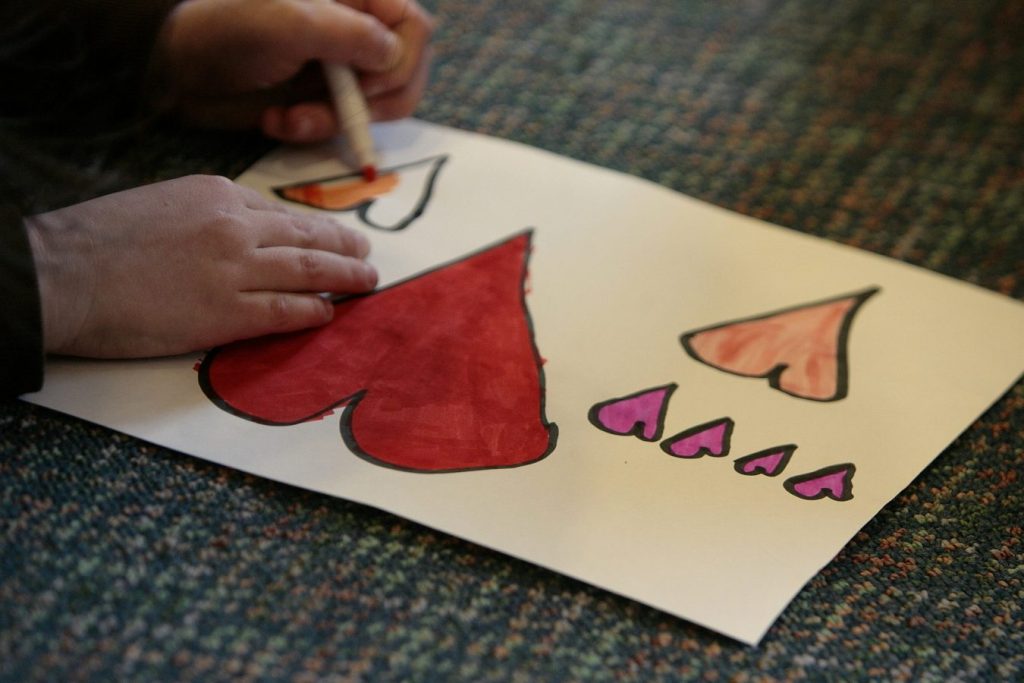
Drawing is the cornerstone of art education, and starting with basic shapes is ideal for young learners. Teaching students how to break down complex objects into simple shapes like circles, squares, and triangles is fundamental. This approach not only simplifies the drawing process but also helps students understand proportion and composition. As they master these basic drawing techniques, students find it easier to tackle more intricate subjects.
By focusing on drawing basics for kids, educators can create lessons that build confidence and skill. For instance, using shapes in art can help students draw a cat by starting with an oval for the body and triangles for the ears. This method makes art lessons for children accessible and enjoyable, fostering a positive learning environment.
- Check out our free art lesson plans for more drawing activities.
- Explore more about basic drawing techniques on Khan Academy.
2. Color Mixing and Theory
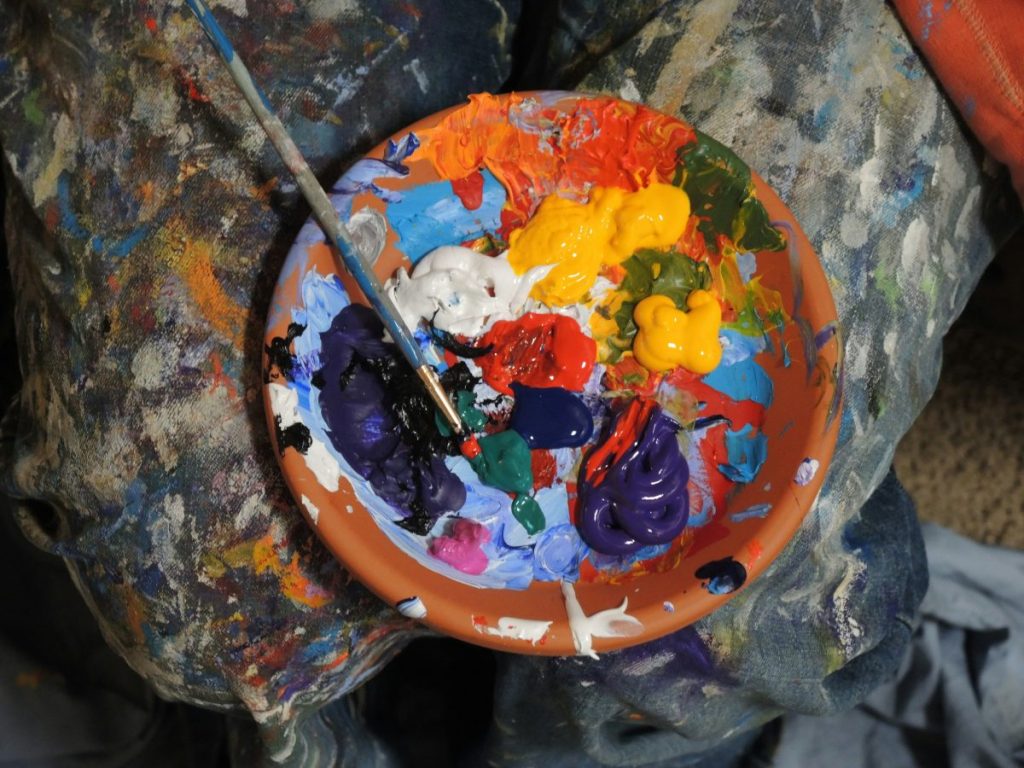
Understanding color is vital in creating visually appealing art. Introducing students to the color wheel, primary, secondary, and tertiary colors is a great start. Simple exercises in mixing paints can show how different colors interact, helping students grasp concepts like complementary and analogous colors. These art lessons on color not only teach students about color theory for kids but also encourage them to experiment with color mixing activities.
Color mixing and theory are essential for developing an understanding of how colors influence emotions and perceptions. By teaching students to recognize warm and cool colors, educators can guide them in creating artworks that evoke specific moods. This understanding of color learning for kids enhances their ability to make informed artistic choices, paving the way for more advanced art projects.
3. Collage Making
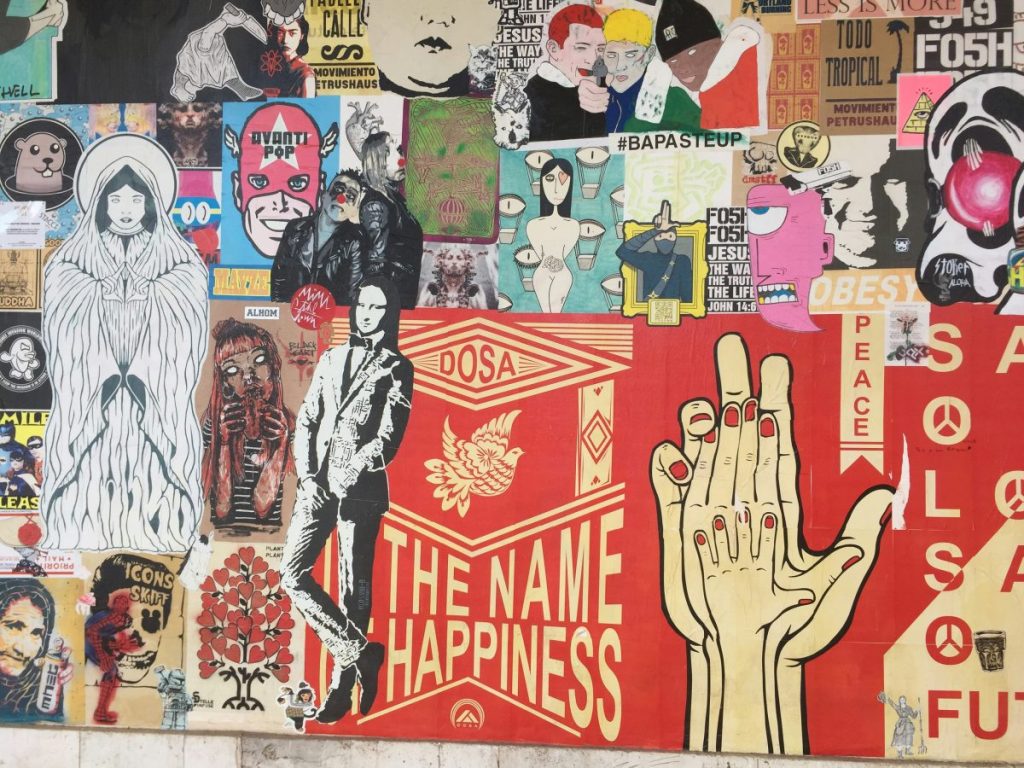
Collage is a versatile technique that encourages creativity and imagination. By using various materials like paper, fabric, and found objects, students can create unique compositions. This technique helps develop fine motor skills and an appreciation for different textures and forms. Collage art for children is a wonderful way to introduce mixed media, allowing them to explore the endless possibilities of combining different elements.
Incorporating creative collage activities into the curriculum provides students with the opportunity to express themselves in new ways. By teaching collage making, educators can foster a sense of exploration and innovation. This approach to art lessons on collage encourages students to think outside the box, leading to exciting and original art projects.
- Discover our screen printing workshops for more hands-on art experiences.
4. Printmaking Basics
Introduce students to simple printmaking techniques, such as stamping or using everyday objects to create patterns. This method teaches them about repetition, texture, and the concept of negative space. It’s a fun and engaging way to explore art beyond traditional drawing and painting. Printmaking activities for children can include using leaves, sponges, or even carved potatoes to create unique prints.
By exploring printmaking for kids, educators can introduce students to the concept of creating multiple copies of a single design. This understanding of printmaking basics enhances their appreciation for the art form and its historical significance. Through art lessons on printmaking, students learn to experiment with different materials and techniques, broadening their artistic horizons. At IPaintMyMind, we have loved screen printing as a medium to engage first-timers and experienced artists alike – it is a great way to engage and learn.
IPaintMyMind Resource: Check out our in-depth article on Printmaking 101.

5. Sculpture with Clay
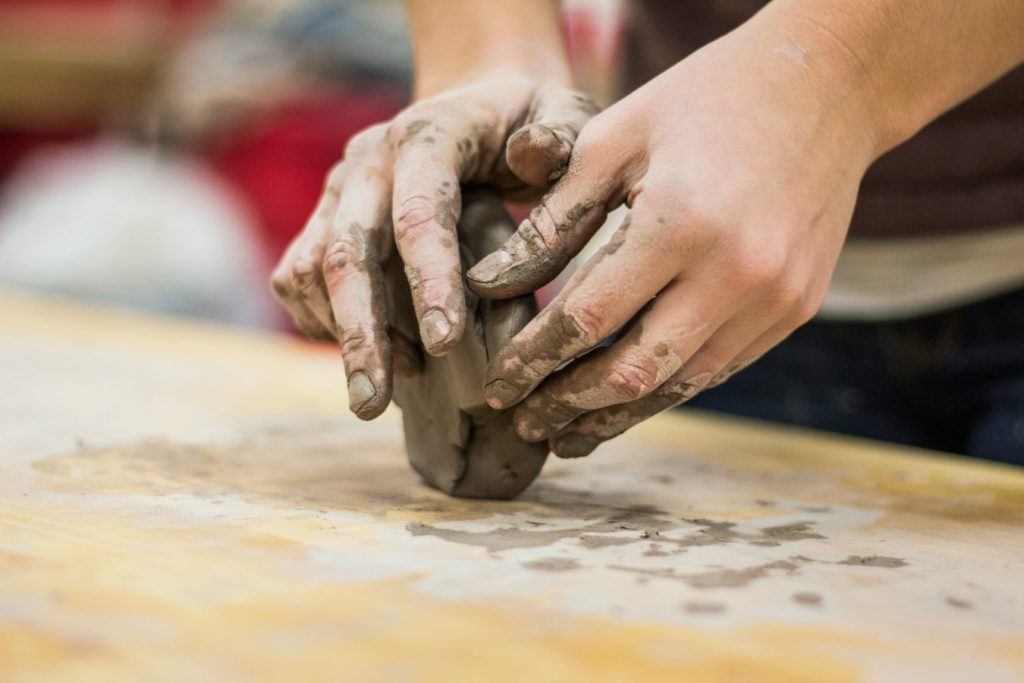
Working with clay allows students to explore three-dimensional art. Basic techniques like rolling, pinching, and coiling can be taught to create simple sculptures. This hands-on activity enhances spatial awareness and provides a tactile experience that is both educational and enjoyable. Sculpture with clay for kids is an excellent way to introduce them to the world of three-dimensional art.
By engaging in simple sculpture techniques, students can express themselves through form and texture. Art lessons on clay encourage creativity and problem-solving, as students learn to manipulate materials to achieve their desired outcomes. This approach to art education fosters a deeper understanding of the artistic process and the possibilities of sculpture as an art form.
Conclusion
Art education is a vital part of a child’s development, offering numerous benefits beyond just artistic skills. By incorporating these five essential art techniques into your curriculum, you can help students discover their creative potential and develop a deep appreciation for the arts. Encourage exploration and expression, and watch as your students grow into confident and imaginative individuals. Through drawing with basic shapes, understanding color mixing and theory, engaging in collage making, exploring printmaking basics, and sculpting with clay, students can develop a comprehensive set of art skills that will serve them throughout their lives.
By fostering an environment that values creativity and self-expression, educators can inspire a new generation of artists who are equipped with the tools and confidence to explore the world of art. Encourage students to experiment, take risks, and embrace the joy of creating. With these techniques, you’ll be setting the stage for a lifelong love of art.
Discover more time-saving, mind-refreshing resources via the IPMM Arts Education Blog!
YOU MIGHT ALSO LIKE...

Korean Dansaekhwa, or the art of monochrome painting, represents a profound and meditative approach to art that emerged in Korea during the...
April 11, 2025
In today's ever-evolving corporate environments, flexibility is key. Companies are increasingly seeking art solutions that adapt to their changing needs, and removable...
April 5, 2025
Corporate giving programs are initiatives where businesses allocate resources, either financial or in-kind, to support charitable causes. These programs play a pivotal...
March 28, 2025
