


The Top 5 Homeschool Art Lessons for Busy Families
Homeschooling families often seek engaging and educational activities to enrich their children’s learning experience. Art is a wonderful way to inspire creativity and develop critical thinking skills. Here are the top 5 homeschool art lessons that are perfect for homeschoolers, complete with projects and curriculum suggestions to make learning fun and impactful.
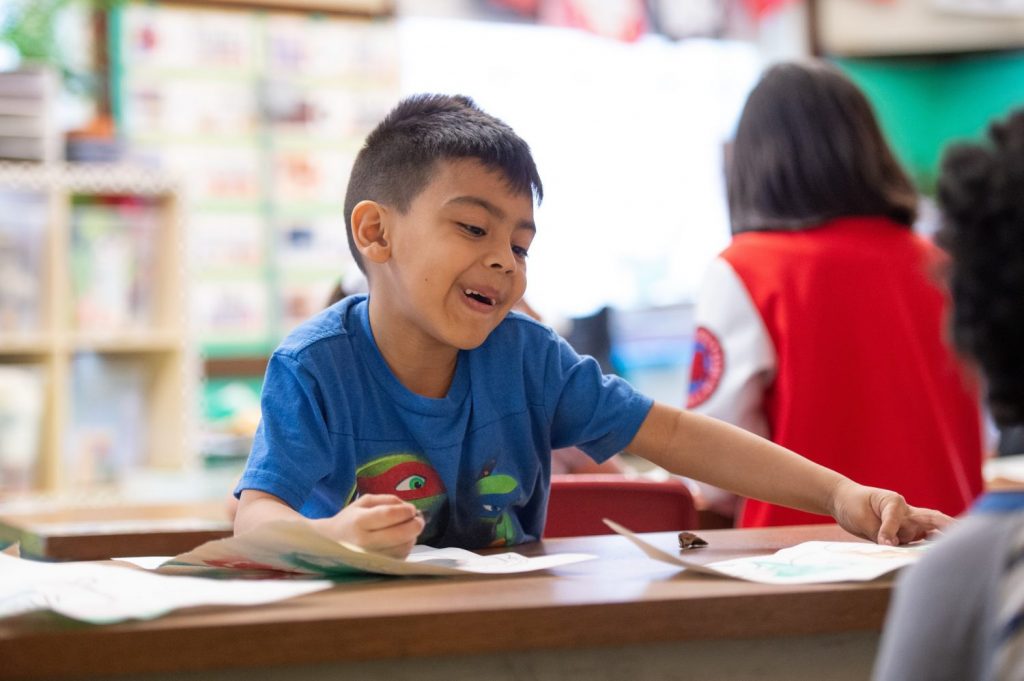
The Importance of Art in Homeschooling
Homeschool art lessons play a crucial role in the overall homeschooling experience by encouraging self-expression, enhancing problem-solving skills, and providing a creative outlet for children. According to a study by the National Endowment for the Arts, students who participate in art education are more likely to excel academically and socially. Incorporating art into your homeschool curriculum can lead to a well-rounded educational experience.
Lesson 1: Exploring Color Theory
Understanding color theory is fundamental to any art education. This lesson introduces homeschoolers to the color wheel, primary and secondary colors, and color mixing techniques.
- Materials Needed: Paints (red, blue, yellow, white, black), brushes, color wheel chart, paper, palette or mixing tray, water cups, paper towels.
Activity Instructions:
1. Introduction to the Color Wheel: Begin by explaining the concept of the color wheel. Show how primary colors (red, blue, yellow) are positioned equidistantly on the wheel.
2. Mixing Secondary Colors: Have students mix the primary colors to create secondary colors (green, orange, purple). Demonstrate how red and yellow make orange, blue and yellow make green, and red and blue make purple.
3. Creating a Color Wheel: Instruct students to draw a large circle on their paper and divide it into six equal sections. Paint each section with the primary and secondary colors to complete the wheel.
4. Exploring Shades and Tints: Show how adding white creates tints and black creates shades. Have students experiment by mixing small amounts of white and black with each color to see the variations.
5. Emotional Connections: Discuss how different colors can evoke emotions and moods. Ask students to paint a small abstract piece using colors that represent how they feel today.
Why Color Theory Matters
Color theory helps students understand how colors interact and influence emotions. It is an essential skill for any artist and can be applied to various art projects for homeschoolers.

Lesson 2: The Art of Collage
Collage is a versatile art form that allows students to explore texture, composition, and storytelling. This lesson encourages creativity and resourcefulness by using everyday materials.
- Materials Needed: Magazines, scissors, glue sticks, cardboard, found objects (buttons, fabric scraps, etc.), markers.
Activity Instructions:
1. Theme Selection: Begin by discussing themes or stories students might want to express through their collage. This could be a personal story, a favorite book, or an abstract concept like “happiness.”
2. Image Collection: Have students browse magazines to find images, colors, and textures that resonate with their chosen theme. Cut out these elements carefully.
3. Composition Planning: Before gluing, lay out the images on the cardboard base to plan the composition. Encourage students to think about how the placement of images can tell their story.
4. Assembling the Collage: Once satisfied with the layout, glue the images onto the cardboard. Add found objects for texture and depth.
5. Final Touches: Use markers to add details or text that enhance the narrative. Encourage students to reflect on how the collage expresses their theme.
Collage as a Creative Outlet
Collage teaches students to see the potential in everyday objects and to think critically about composition and narrative. It’s a fantastic way to engage homeschoolers in art projects that are both fun and educational.
Lesson 3: Introduction to Sculpture
Sculpture allows students to work with three-dimensional forms, expanding their understanding of space and structure. This lesson introduces basic sculpting techniques using clay or recyclable materials.
- Materials Needed: Air-dry clay or dough, modeling tools (popsicle sticks, toothpicks), recyclable materials (cardboard, plastic bottles), glue.
Activity Instructions:
1. Understanding Form and Balance: Begin with a discussion on how sculptures differ from two-dimensional art. Discuss the importance of form, balance, and texture.
2. Choosing a Subject: Encourage students to think about what they want to sculpt. It could be an animal, a person, or an abstract form.
3. Building the Structure: If using recyclable materials, start by creating a base structure. Use glue to hold pieces together. For clay, begin shaping the basic form with hands and tools.
4. Adding Details: Use modeling tools to add texture and details. Encourage creativity in how they represent their subject.
5. Finishing Touches: Once the sculpture is complete, let the clay dry or paint the recyclable structure. Discuss how the final piece reflects their original idea.
The Benefits of Sculpting
Sculpting enhances spatial awareness and fine motor skills. It encourages students to think in three dimensions and to appreciate the tactile qualities of different materials.

Lesson 4: Watercolor Techniques
Watercolor painting is a beautiful and expressive medium that teaches students about transparency, layering, and brush control. This lesson explores various watercolor techniques.
- Materials Needed: Watercolor paints, brushes of various sizes, watercolor paper, water containers, paper towels.
Activity Instructions:
1. Wet-on-Wet Technique: Wet the paper with a brush, then apply watercolor. Observe how colors blend seamlessly. Experiment with different colors to create a soft background.
2. Dry Brush Technique: Use a dry brush with minimal water to apply paint. Notice the texture and how it contrasts with the wet-on-wet areas.
3. Color Lifting: Paint an area and let it dry slightly. Use a clean, damp brush to lift color, creating lighter areas or highlights.
4. Layering: Once the first layer dries, apply additional layers to build depth and color intensity. Experiment with overlapping colors.
5. Creating a Composition: Encourage students to create a landscape or abstract painting using these techniques. Discuss how each technique contributes to the overall effect.
Mastering Watercolor
Watercolor painting fosters patience and precision. It allows homeschoolers to explore the fluidity of the medium and to develop their unique artistic style.
Lesson 5: Art History and Appreciation
Understanding art history enriches students’ appreciation for different styles and movements. This lesson introduces key art movements and encourages critical analysis.
- Materials Needed: Art history books, online resources, paper, pencils, access to a printer (optional).
Activity Instructions:
1. Research an Artist or Movement: Choose a famous artist or art movement to study. Use books or online resources to gather information about their style, influences, and historical context.
2. Create an Inspired Artwork: Based on their research, have students create an artwork inspired by the artist or movement. Encourage them to incorporate specific techniques or themes.
3. Presentation and Discussion: Students present their artwork along with a brief explanation of the artist or movement. Discuss the significance of the art and how it reflects the historical period.
4. Critical Analysis: Encourage students to compare and contrast different art movements. Discuss how historical events and cultural shifts influenced artistic styles.
5. Reflection: Have students write a short reflection on what they learned and how it changed their perception of art.
The Value of Art History
Art history provides context and inspiration for young artists. It encourages analytical thinking and helps students connect with the broader cultural narrative.

Conclusion: Enriching Your Experience with a Homeschool Art Curriculum
Incorporating these art lessons into your homeschool curriculum can provide a rich and diverse educational experience. By exploring different mediums and techniques, homeschoolers can develop their artistic skills and express their creativity.
For more resources and lesson plans, explore our free downloadable art lesson plans or purchase any of the 4 versions of our Art Lesson Plan PDF!! It is perfect to use as a homeschool art curriculum!
For more insights on the importance of art education, visit the National Endowment for the Arts.
YOU MIGHT ALSO LIKE...

Korean Dansaekhwa, or the art of monochrome painting, represents a profound and meditative approach to art that emerged in Korea during the...
April 11, 2025
In today's ever-evolving corporate environments, flexibility is key. Companies are increasingly seeking art solutions that adapt to their changing needs, and removable...
April 5, 2025
Corporate giving programs are initiatives where businesses allocate resources, either financial or in-kind, to support charitable causes. These programs play a pivotal...
March 28, 2025
