


The Role of Art in Corporate Social Responsibility Initiatives
Art has long been a medium for self-expression, cultural preservation, and social commentary. In recent years, corporations have begun to recognize its potential in transforming their Corporate Social Responsibility (CSR) initiatives from missable events to catalytic statements about culture, engagement, and community.
Over our 12+ years working at the intersection of art & corporate social responsibility strategies, we’ve seen over and over again that companies can foster community engagement, promote social equity, and contribute to cultural enrichment, all while reinforcing their brand values.
This article explores the multifaceted role of art in CSR initiatives and provides actionable steps for businesses looking to make a positive impact through artistic endeavors.
Understanding Corporate Social Responsibility (CSR)
Corporate Social Responsibility refers to the efforts made by companies to contribute to societal goals, such as philanthropy, environmental sustainability, and ethical labor practices. It’s a way for businesses to go beyond profit-making and actively participate in the betterment of society.
When working with IPMM, we speak of a double value proposition, ‘Get Art, Give Back.’
CSR initiatives can vary widely, from supporting local charities to implementing environmentally friendly practices. The inclusion of art in CSR strategies, however, is a growing trend that can offer unique benefits, especially when done in a creative and evocative way.

The Intersection of Art and CSR
Incorporating art into CSR initiatives can manifest in several ways, including corporate art collections, sponsoring local artists, commissioning murals in your offices or in underserved communities, or even hosting art workshops for employees and the public and underserved teachers. These efforts can lead to several positive outcomes:
Enhancing Community Engagement
Art has the power to connect people, provoke thought, and inspire action. By supporting local art projects, companies can strengthen their relationship with the community. Public art installations, for example, can transform urban spaces, making them more vibrant and accessible. These projects encourage community interaction and participation, fostering a sense of ownership and pride among residents.
Promoting Social Equity
Investing in art can also be a way to promote social equity. By providing opportunities for underrepresented artists or funding arts education programs in marginalized communities, companies can help bridge the gap in access to cultural resources. This not only supports the artists themselves but also enriches the cultural landscape, making it more diverse and inclusive.
Supporting Employee Well-Being and Creativity
Art in the workplace is known to enhance the work environment, reducing stress and boosting creativity. Companies can leverage this by incorporating art into their CSR strategies to support employee well-being. Organizing art workshops or creating spaces where employees can engage with art can lead to improved job satisfaction and productivity. Additionally, involving employees in community art projects can foster teamwork and a deeper sense of purpose.

Benefits of Art-Driven CSR Initiatives
Strengthening Brand Image and Loyalty
Companies that support the arts are seen as more compassionate and culturally aware. This can significantly enhance their brand image, leading to increased customer loyalty. Consumers today are more likely to support businesses that demonstrate a commitment to social responsibility. By associating with the arts, companies can differentiate themselves from competitors and attract a more engaged customer base.
Creating Long-Lasting Social Impact
Art has a lasting impact on communities. A well-placed mural or a sponsored art program can have a transformative effect, inspiring future generations and contributing to the community’s identity. This kind of legacy is invaluable, as it continues to generate goodwill long after the initial investment.
Actionable Steps for Integrating Art into CSR
If your company is interested in integrating art into its CSR strategy, here are some actionable steps to get started:
1. Identify Community Needs
Begin by assessing the needs of the community. Are there local artists or art organizations that need support? Are there areas that could benefit from public art installations? Understanding these needs will help you develop a strategy that is impactful and relevant.
2. Collaborate with Art Organizations (like IPaintMyMind!) :)
Partnering with local art organizations, such as museums, galleries, or community art centers, can provide valuable expertise and resources. These partnerships can help in organizing events, curating art exhibitions, or identifying artists to collaborate with.
Learn more about IPaintMyMind’s CSR initiatives.
3. Commission Art Projects
Consider commissioning art projects, such as murals, events, or sculptures, in areas that lack cultural infrastructure, or in targeted spaces where your company can put its best foot forward. These projects not only beautify the space but also serve as a visual representation of the company’s commitment to the community.
Learn more about IPaintMyMind’s corporate art events.
4. Support Arts Education
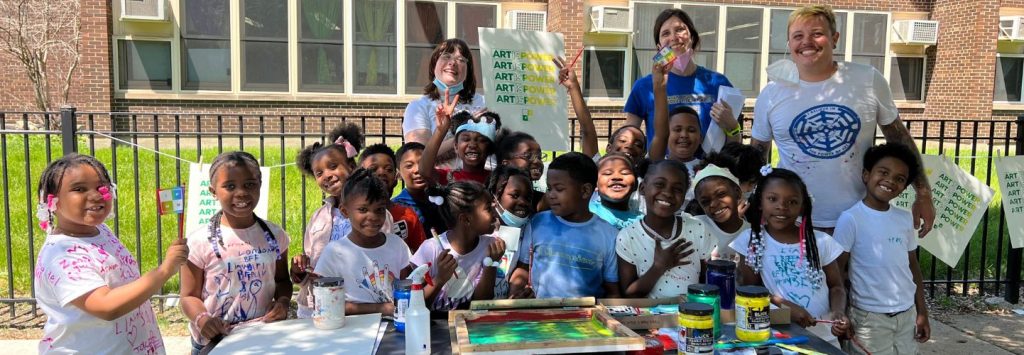
Invest in arts education programs, particularly in underfunded schools. This can include sponsoring art supplies, funding scholarships for art students, or organizing workshops. Supporting arts education is a direct way to contribute to the cultural and creative development of young people.
5. Create Employee Engagement Opportunities
Involve employees in art-related volunteer opportunities. This could include participating in community art projects or hosting internal art competitions. Employee engagement in CSR initiatives can enhance company culture and increase job satisfaction.
Case Study: A Corporate Success Story
One example of successful integration of art into corporate social responsibility is Patagonia’s support for environmental artists. By commissioning artwork that highlights environmental issues, Patagonia not only supports artists but also raises awareness about important causes aligned with their brand values. This approach has strengthened their brand identity and resonated with their environmentally conscious customer base.
Conclusion
Integrating art into Corporate Social Responsibility initiatives offers a unique opportunity for companies to make a meaningful impact. By supporting the arts, businesses can enhance community engagement, promote social equity, and create lasting social change. Art-driven corporate social responsibility initiatives not only benefit the community but also enrich the corporate culture and strengthen brand reputation.
For companies looking to enhance their corporate social responsibility efforts, embracing the arts is a powerful and effective strategy.
Want to discuss how our Art Services can complement your development? Send us a message today!
YOU MIGHT ALSO LIKE...

Korean Dansaekhwa, or the art of monochrome painting, represents a profound and meditative approach to art that emerged in Korea during the...
April 11, 2025
In today's ever-evolving corporate environments, flexibility is key. Companies are increasingly seeking art solutions that adapt to their changing needs, and removable...
April 5, 2025
Corporate giving programs are initiatives where businesses allocate resources, either financial or in-kind, to support charitable causes. These programs play a pivotal...
March 28, 2025
