

Mandala Art for Kids: Fun and Mindful Classroom Project
Mandalas are a wonderful way to introduce mandala art for kids in the classroom. Not only do they teach students about diverse cultures and mindfulness, but they also allow for hands-on creativity. This guide explores the history of mandalas and how teachers can integrate mandala art activities for kids in grades K-3.
Dive in and enjoy or go directly to the classroom activity below!
The Origins of Mandalas
The word “mandala” is derived from the Sanskrit language, meaning “circle.” This simple geometric form is imbued with deep spiritual significance, representing the universe and the idea of wholeness. The earliest recorded mandalas date back to the first century BCE in India, where they were used in religious rituals and meditation practices.
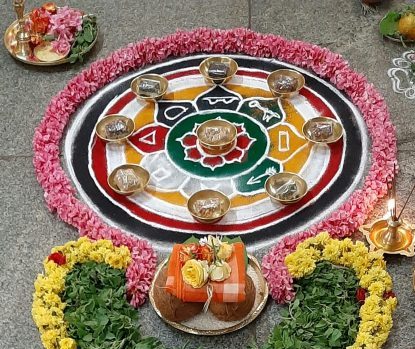
In Hinduism, mandalas are often associated with the cosmos, symbolizing the divine structure of the universe. They serve as a tool for focusing attention and facilitating meditation, enabling practitioners to transcend the physical realm and connect with the divine. Mandalas are integral to various Hindu rituals and are commonly used in the construction of sacred spaces and temples.
Mandalas in Buddhism
The adoption of mandalas in Buddhism marked a significant development in their evolution as spiritual tools. In Tibetan Buddhism, mandalas are particularly prominent and are often created as intricate sand paintings. These ephemeral artworks represent the transient nature of life and the importance of mindfulness. The creation of a sand mandala is a meditative practice that requires immense concentration and skill, with monks painstakingly arranging colored sand into elaborate patterns.
Once completed, sand mandalas are typically destroyed in a ritualistic manner, symbolizing the impermanence of all things. This process of creation and destruction reinforces the Buddhist teachings on the impermanence and cycle of life, death, and rebirth.
The Process of Creating a Mandala in Buddhism
In Tibetan Buddhism, the creation of mandalas is a profound spiritual practice, often involving the use of colored sand to form intricate designs. The process begins with the preparation of the space, which is cleansed and blessed to create a sacred environment. Monks or practitioners then draw the basic geometric outlines of the mandala on a flat surface, using compasses and straightedges to ensure precision.
Once the outline is complete, the process of filling in the mandala with colored sand begins. The sand is carefully placed using small funnels called chak-pur, which are tapped to release the sand in controlled amounts. The act of placing each grain of sand is meditative, requiring intense focus and steady hands. The patterns within the mandala often represent various aspects of Buddhist teachings, such as the path to enlightenment, the impermanence of life, and the interconnectedness of all beings.
The creation of a sand mandala can take days or even weeks to complete. When the mandala is finally finished, it is not preserved as a permanent work of art. Instead, it is ritually destroyed, often by sweeping the sand into a container. The sand is then dispersed into a body of water, symbolizing the impermanence of all things and the cycle of life, death, and rebirth.
Mandalas as Cultural Conduits
Beyond their spiritual significance, mandalas have served as cultural conduits, facilitating the exchange of ideas and artistic techniques across different cultures. As Buddhism spread from India to other parts of Asia, such as Tibet, China, and Japan, the concept of mandalas evolved, incorporating elements of these diverse cultures.
In China, mandalas were adapted into the architectural designs of Buddhist temples, while in Japan, they influenced the development of Zen art, particularly in the creation of Zen gardens. These cultural adaptations highlight the mandala’s versatility and its ability to transcend cultural boundaries while retaining its core spiritual essence.
Mandalas in Contemporary Art
In modern times, mandalas have gained popularity in the West as a form of art therapy and a means of personal expression. Their symmetrical designs and vibrant colors make them appealing to artists and art enthusiasts alike. The process of creating a mandala, whether through drawing, painting, or digital design, is seen as a meditative practice that promotes relaxation and introspection.
Contemporary artists often incorporate mandalas into their work, using them as a symbol of unity and harmony. The universality of the mandala’s symbolism allows it to resonate with people from all walks of life, making it a powerful tool for fostering cross-cultural understanding and connection.

Mandala Art in the Classroom: A Simple Classroom Activity for All Ages
Introducing young students to the art of mandalas can be a fun and educational experience. Here’s a simple structure for a K-3 art lesson on creating mandalas:
Materials Needed:
- White paper (round or square)
- Pencils
- Rulers or compasses (optional)
- Markers, crayons, or colored pencils
- Objects to trace (like cups or lids for circles)
- Optional: decorative items like stickers, sequins, or glitter
Mandala Art for Kids: Step-by-Step Classroom Activity Guide
Step 1: Introduction to Mandala Art
- Begin by showing examples of traditional mandalas and explaining that mandalas are designs that start from a central point and grow outward in a circular pattern.
- Explain that mandalas often represent balance and harmony, and they can be made with simple shapes and colors.
Step 2: Starting the Mandala
- Have the students start by drawing a small circle in the center of their paper. This can be done freehand or by tracing a small object like a coin or bottle cap.
- From this central point, students will begin to create their mandala by adding more circles around it. They can use rulers or objects to trace to make these circles.
Step 3: Adding Shapes and Patterns
- Encourage the students to add simple shapes like triangles, squares, or petals around each circle. Remind them to keep their design symmetrical by repeating patterns in each section.
- As they work outward, they can continue adding layers of shapes, making the mandala more complex.
Step 4: Coloring the Mandala
- Once the design is complete, students can color their mandala. Encourage them to think about balance and harmony when choosing colors, perhaps alternating between warm and cool colors or using complementary colors.
Step 5: Optional Decoration
- If time and resources allow, students can add decorative touches like stickers, glitter, or sequins to their mandalas. This step adds a fun, personal touch to their creations.
Step 6: Reflection and Sharing
- After completing their mandalas, have a brief reflection session where students can share their designs with the class. Discuss how creating the mandala made them feel and what they liked about the process.

Conclusion
Exploring mandala art for kids offers a wonderful way for young students to explore art, symmetry, and creativity. By guiding them through the simple process of creating a mandala, K-3 art teachers can introduce students to an ancient art form that is both educational and fun.
The creation of mandalas in the classroom not only fosters artistic skills but also promotes mindfulness and a sense of accomplishment among young learners.
YOU MIGHT ALSO LIKE...

